Synthesia is one of the most established AI avatar video platforms and is frequently mentioned when discussing the best DeepBrain AI alternatives. The platform allows users to generate videos using realistic digital presenters that read scripts in multiple languages. The workflow is simple. A user enters a script, selects an avatar, chooses a voice, and the system renders a video with the avatar delivering the message.(https://www.synthesia.io/)
Compared with DeepBrain AI, Synthesia focuses heavily on enterprise usability. The platform provides structured templates for training videos, corporate communication content, and product explanations. Many large organizations adopt Synthesia because it integrates well with business workflows and supports multilingual communication.
Key Highlights
1. The platform generates presenter-style videos where AI avatars speak scripts in natural-sounding voices.
2. Synthesia supports a large number of languages, which helps companies produce localized content quickly.
3. A strong template system allows users to produce professional training and marketing videos without advanced editing skills.
4. Custom avatar creation is available for businesses that want a branded digital presenter.
5. Pricing usually starts with a subscription plan that includes a limited number of video minutes each month.
6. The tool is commonly used for corporate training, product explainers, and internal communication videos.
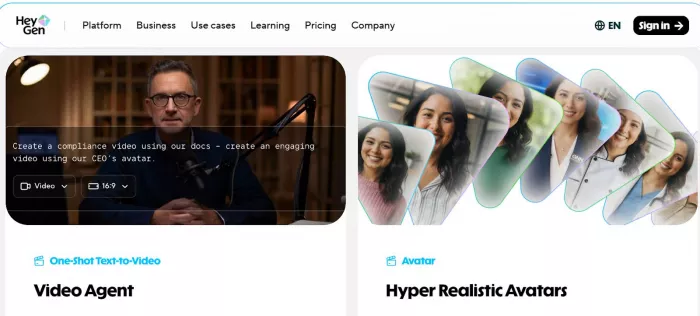
HeyGen has rapidly become one of the most recognized AI avatar video tools. The platform is known for producing highly realistic avatars and supporting advanced voice synchronization technology. Users write a script, select a digital presenter, and generate a video where the avatar delivers the message naturally.(https://www.heygen.com/)
Compared with DeepBrain AI, HeyGen places strong emphasis on avatar realism and customization. The platform also supports avatar cloning where users can create a digital version of themselves. This feature is particularly useful for influencers and educators who want to maintain a consistent on-screen identity while automating production.
Key Highlights
1. HeyGen produces highly realistic AI presenters that speak scripts using natural voice synthesis.
2. The platform supports custom avatars that replicate the appearance of real individuals.
3. Video generation workflows are designed to be simple so users can produce videos without technical editing skills.
4. Compared with DeepBrain AI, HeyGen offers stronger personalization options for avatar creation.
5. Pricing is subscription-based and scales according to the number of video minutes generated each month.
6. The platform is widely used for marketing explainers, social media videos, and online course production.
Elai.io is another platform often discussed among DeepBrain AI competitors. The system focuses on transforming text-based content into presenter-style videos. Users can convert blog posts, scripts, or presentation slides into narrated videos using AI avatars.(https://elai.io/)
Compared with DeepBrain AI, Elai.io places strong emphasis on converting educational and informational content into video form. Many educators and training teams use the platform to convert written material into structured learning videos.
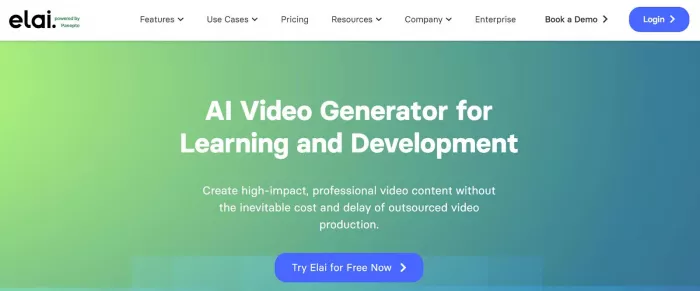
The platform also supports presentation-style videos where slides appear alongside the AI presenter, creating a format similar to recorded lectures.
Key Highlights
1. Elai.io converts written scripts or educational materials into videos featuring AI presenters.
2. The platform supports presentation-based formats where slides accompany the digital avatar.
3. Voice synthesis supports multiple languages and allows users to localize training content.
4. Compared with DeepBrain AI, Elai.io focuses strongly on educational and instructional video formats.
5. Pricing typically includes subscription plans that determine monthly video generation limits.
6. The platform is frequently used for online courses, knowledge base videos, and instructional content.
Colossyan Creator is designed primarily for corporate learning and professional training videos. The platform enables organizations to generate structured learning content using AI presenters that deliver scripted lessons. (https://www.colossyan.com/)
Compared with DeepBrain AI, Colossyan Creator places a heavy emphasis on instructional workflows. The system includes tools designed specifically for training environments such as scenario based videos and dialogue style presentations. These capabilities allow companies to create simulated conversations or role playing lessons.
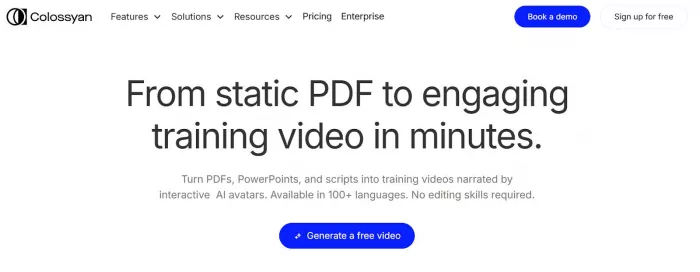
The platform also integrates well with learning management systems, which makes it useful for enterprise training programs.
Key Highlights
1. Colossyan Creator generates AI presenter videos designed for professional training and educational content.
2. The platform supports dialogue based videos where multiple avatars interact within a scene.
3. Built in instructional templates help training teams create structured learning material.
4. Compared with DeepBrain AI, the platform focuses more strongly on learning and development workflows.
5. Pricing plans typically vary depending on team size and enterprise features.
6. The tool is widely used for corporate training programs and employee onboarding materials.
AKOOL represents a newer generation of AI avatar video tools that combine several forms of generative media technology. The platform allows users to create AI spokesperson videos, generate avatars, and produce visual marketing content using synthetic presenters.
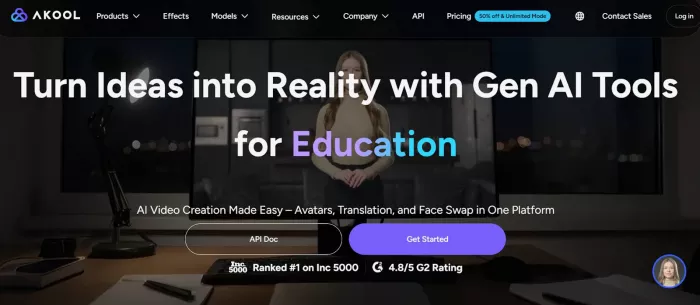
Compared with DeepBrain AI, AKOOL integrates additional AI capabilities such as face swapping and advanced visual effects. These features make the platform appealing to marketing teams that want more visual flexibility when creating AI presenter videos.(https://akool.com/)
Another advantage of AKOOL is its emphasis on personalization. Businesses can create custom avatars or branded spokesperson characters that represent their brand identity.
Key Highlights
1. AKOOL allows users to generate AI spokesperson videos using customizable digital presenters.
2. The platform combines avatar generation with other AI media tools such as face swapping and visual editing.
3. Custom avatars allow companies to create brand specific digital presenters.
4. Compared with DeepBrain AI, AKOOL provides more experimental creative tools alongside presenter videos.
5. Pricing plans depend on generation credits and subscription tiers.
6. The platform is useful for marketing teams producing promotional videos and digital spokesperson content.
| Platform | AI Avatar Quality | Voice Languages | Custom Avatars | Video Templates | Editing Control |
| Synthesia | Very high | 120+ languages | Yes | Extensive | Moderate |
| HeyGen | Very high | 40+ languages | Yes | Strong | Moderate |
| Elai.io | High | 70+ languages | Limited | Education focused | Basic |
| Colossyan Creator | High | 70+ languages | Limited | Training focused | Moderate |
| AKOOL | High | 30+ languages | Yes | Marketing focused | Moderate |
The table highlights how these platforms approach avatar video generation in different ways. Synthesia and HeyGen emphasize avatar realism and multilingual support. Elai.io and Colossyan Creator focus more on structured educational content. AKOOL differentiates itself by combining avatar technology with additional visual media tools.
| Platform | Entry Price | Free Plan | Enterprise Option | Best For |
| Synthesia | Around $22 per month | No | Yes | Corporate training |
| HeyGen | Around $24 per month | Limited | Yes | Marketing and creators |
| Elai.io | Around $29 per month | Limited | Yes | Education content |
| Colossyan Creator | Around $27 per month | Limited | Yes | Enterprise training |
| AKOOL | Credit-based pricing | Limited | Yes | Marketing videos |
Pricing structures across these platforms vary mainly in how video generation minutes are allocated. Some platforms charge based on monthly video duration while others use credit systems for rendering videos. Enterprise plans usually add features such as custom avatars, team collaboration tools, and API integrations.
For large organizations producing training content regularly, subscription plans with higher monthly limits tend to be more economical. Smaller teams or individual creators often prefer credit based systems that allow occasional video generation.
| Use Case | Best Platform | Reason |
| Corporate training videos | Colossyan Creator | Strong learning templates |
| Marketing explainer videos | HeyGen | Realistic avatars and branding |
| Educational lessons | Elai.io | Slide based presentation format |
| Social media content | AKOOL | Flexible creative tools |
The workflow table demonstrates that AI avatar platforms often specialize in different production environments. Corporate training tools prioritize structured lessons and scenario simulations. Marketing-focused platforms emphasize avatar realism and brand identity. Educational tools focus on transforming written material into structured video lessons.
| Platform | Avatar Realism | Customization | Ease of Use | Enterprise Adoption |
| Synthesia | 9/10 | 8/10 | 9/10 | Very high |
| HeyGen | 9/10 | 9/10 | 8/10 | High |
| Elai.io | 7/10 | 7/10 | 8/10 | Moderate |
| Colossyan Creator | 7/10 | 7/10 | 8/10 | High |
| AKOOL | 8/10 | 9/10 | 7/10 | Growing |
This comparison illustrates how competition in the AI avatar market is evolving. Platforms such as Synthesia and HeyGen currently lead in avatar realism and enterprise adoption. Tools like Elai.io and Colossyan Creator focus on specialized educational workflows. Newer platforms such as AKOOL emphasize customization and creative flexibility.
AI avatar technology continues to evolve rapidly as improvements in voice synthesis, facial animation, and generative AI models make digital presenters increasingly realistic. The competition between DeepBrain AI and its alternatives reflects a broader shift toward automated video production, where scripts can be transformed into polished videos within minutes.
As these tools continue to improve, the distinction between traditional video production and AI generated content will likely become less pronounced. The platforms competing in this space are not simply replacing human presenters but are redefining how organizations communicate visually at scale.
PixNova AI is an AI-powered creative platform designed to help users c...
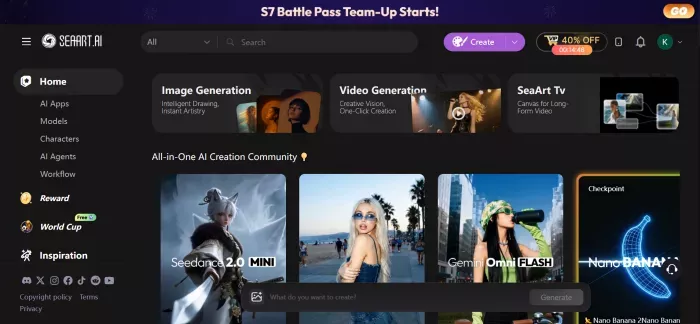
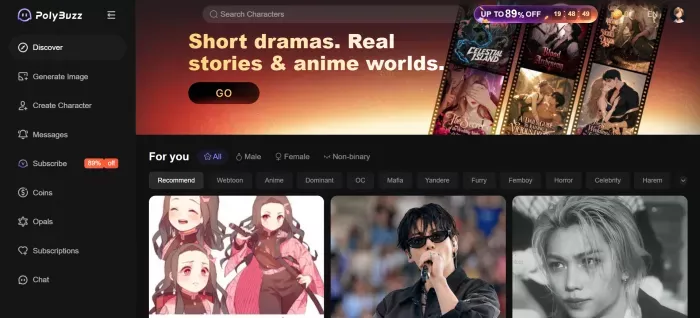
PolyBuzz is an AI character chat and roleplay platform.
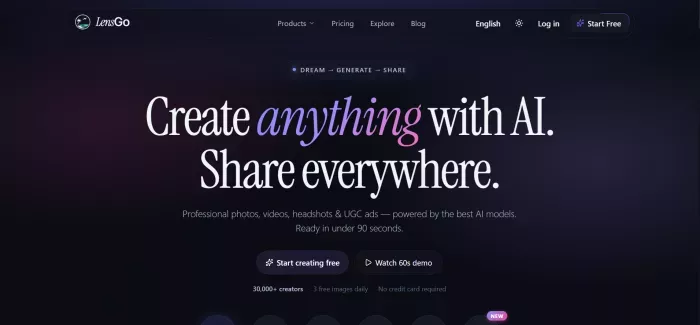
LensGo AI is a browser-based creative studio that bundles a stack of t...


Discussion