Spotify is no longer using artificial intelligence only to recommend what people should hear next. The company is now pushing AI deeper into the creation, packaging, and consumption of audio itself, with new tools for AI-generated audiobooks, personal podcasts, podcast Q&A, and automated briefings.
The latest wave includes an invite-only audiobook creation tool powered by ElevenLabs, a new desktop app called Studio by Spotify Labs for generating personal podcasts, and AI podcast features that let listeners ask questions about episodes or create private briefing-style audio. Together, the updates show Spotify trying to become not just a streaming platform, but the place where AI-generated listening experiences are created, saved, and consumed.
Spotify’s new audiobook creation tool will launch in beta in June and will be built directly into Spotify for Authors. The feature uses ElevenLabs’ digital voice technology to help self-published authors create audio versions of their books without exclusive contracts. At launch, Spotify says the tool will support English only and will be available in select markets.
The business logic is clear. Audiobook production has traditionally been expensive, slow, and dependent on studio narration, which limits how many independent authors can afford to enter the format. AI narration gives Spotify a way to expand audiobook supply while giving authors a cheaper route into audio publishing.
Spotify already opened support for ElevenLabs-narrated audiobooks in 2025, saying authors could use ElevenLabs to narrate books in 29 languages with control over voice and intonation. The new tool goes further by putting creation inside Spotify’s own author workflow rather than requiring authors to handle narration and distribution separately.
The second major shift is Studio by Spotify Labs, a desktop app that can generate private daily briefings, short podcasts, and playlists based on user prompts, listening history, and connected apps such as email, calendar, and notes. Spotify says the app is conversational, allowing users to refine requests and adjust the tone or direction of generated content.
The Verge reported that Studio is rolling out as a research preview for users aged 18 and older, with a focus on spoken content rather than music. Generated briefings and podcasts can be saved directly to the user’s Spotify library and synced across devices, making AI-created audio part of the same listening environment as regular podcasts and music.
This puts Spotify closer to products like Google’s NotebookLM, which popularized AI-generated audio summaries, but Spotify has one advantage those tools do not: a massive existing audio habit. If users already open Spotify during commutes, workouts, or work sessions, personalized AI briefings may feel less like a separate productivity tool and more like a natural extension of listening.
Spotify is also adding AI-powered Q&A for podcasts. The feature lets Premium users ask questions about podcast episodes, find timestamps for specific topics, and get more context while listening. Spotify says Personal Podcasts will also allow users to generate and schedule short, private audio episodes based on interests and listening habits.
That solves one of podcasting’s oldest problems: audio is hard to search. A useful discussion can be buried inside a long episode, and listeners often have no easy way to return to a specific argument, guest comment, or topic. AI Q&A gives Spotify a way to make podcast libraries more navigable without requiring every creator to manually tag and index their episodes.
Spotify’s AI announcements arrived alongside a broader business roadmap. Reuters reported that the company is targeting mid-teens annual revenue growth through 2030, gross margins of 35% to 40%, and operating margins above 20%, compared with 12.8% in 2025. Spotify shares rose 13% after the announcement, reflecting investor interest in whether AI, audiobooks, superfans, and new paid add-ons can expand the company beyond traditional music streaming economics.
That matters because music streaming remains a tough margin business due to licensing costs and royalty obligations. Audiobooks, AI-generated personal audio, creator tools, fan subscriptions, and premium add-ons give Spotify more ways to grow average revenue per user without relying only on subscription price increases.
The company is also trying to defend its position against YouTube, Apple, Amazon, Audible, Google, and AI-native audio startups. YouTube has become a major podcast and video-podcast platform. Audible still dominates paid audiobooks. NotebookLM has shown consumer demand for AI audio summaries. Spotify’s answer is to combine all of these use cases inside one audio ecosystem.
For authors and podcasters, Spotify’s AI push could open new opportunities. Self-published writers may be able to produce audiobooks at lower cost. Podcasters may benefit if AI Q&A helps listeners discover more relevant moments from long episodes. Users may consume more audio if briefings and personal podcasts make Spotify part of their daily information routine.
But the risk is that AI-generated audio also competes for attention. If Spotify fills user libraries with private briefings, summaries, and synthetic podcasts, some listening time may shift away from human creators. The company will need to prove that AI helps discovery rather than quietly replacing parts of the creator economy it depends on.
For now, Spotify’s direction is clear. The company wants AI to become a new interface for audio, not just a recommendation layer behind playlists. If the tools work, Spotify could turn itself into a personalized audio operating system. If they feel unreliable, repetitive, or intrusive, users may treat them as another AI experiment that sounds impressive but does not become a daily habit.
PixNova AI is an AI-powered creative platform designed to help users c...
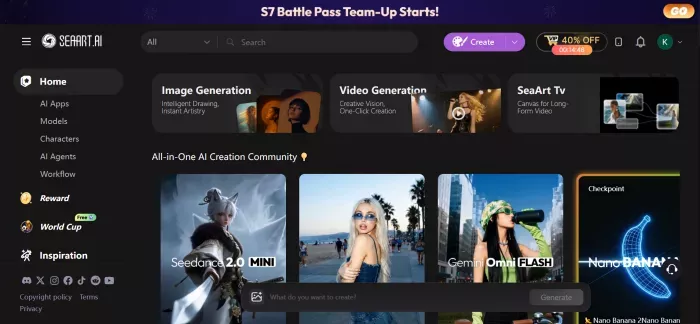

PolyBuzz is an AI character chat and roleplay platform.
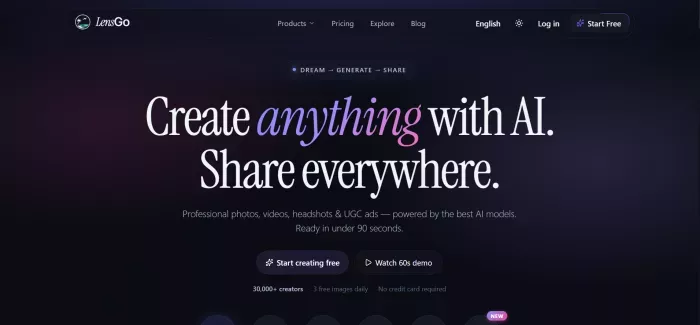
LensGo AI is a browser-based creative studio that bundles a stack of t...


Discussion