A strong digital profile is no longer optional. Whether the goal is attracting clients, landing opportunities, or simply looking credible online, the “link in bio” era has evolved into full personal hubs, smart portfolios, and AI-enhanced profile systems.
The tools below are widely used in 2026 for building a clean, professional digital presence. Each platform solves a slightly different problem, so the right choice depends on how much control, customization, and analytics are needed.
Website: https://zivolio.com/
What it does
Zivolio is a modern one-page digital profile builder designed for creators, founders, and professionals who want a clean personal hub without building a full website.
Key strengths
● Simple one-page profile setup
● Clean, professional layouts
● Built for personal branding
● Quick sharing via single link
Limitations
● Less design freedom than full website builders
● Advanced automation features are still evolving
Best for
Professionals who want a polished personal profile without technical setup.
Website: https://linktr.ee/
What it does
Linktree is the most widely known link-in-bio tool, allowing users to place multiple links behind a single shareable URL.
Key strengths
● Extremely easy to use
● Huge ecosystem and integrations
● Fast setup
● Reliable uptime
Limitations
● Limited deep customization on free plan
● Can feel generic at scale
Best for
Creators who want a quick, reliable link hub.
Website: https://beacons.ai/
What it does
Beacons combines link-in-bio functionality with monetization tools, email capture, and creator storefront features.
Key strengths
● Built-in monetization
● Email collection tools
● Creator-focused features
● Modern interface
Limitations
● Interface can feel busy
● Some features locked behind paid tiers
Best for
Creators building a revenue-focused profile.

Website: https://carrd.co/
What it does
Carrd is a lightweight website builder often used to create elegant one-page personal sites and landing pages.
Key strengths
● Highly customizable
● Very affordable
● Fast loading pages
● Good design flexibility
Limitations
● Requires more manual setup
● Not purely “link in bio” focused
Best for
Users who want more design control than bio tools.

Website: https://about.me/
What it does
About.me is a long-running personal profile platform focused on simple professional identity pages.
Key strengths
● Clean professional look
● Easy setup
● Good for consultants
● Established brand
Limitations
● Feels dated compared to newer tools
● Limited modern integrations
Best for
Professionals who want a minimal personal page.

Website: https://bento.me/
What it does
Bento offers a grid-style personal profile layout that feels more like a mini homepage than a simple link list.
Key strengths
● Unique layout style
● Visual-first design
● Clean aesthetics
● Good creator adoption
Limitations
● Less traditional layout
● Smaller ecosystem than Linktree
Best for
Design-conscious creators.
Website: https://taplink.at/
What it does
Taplink focuses heavily on social media bio pages with marketing widgets and messaging integrations.
Key strengths
● Marketing widgets
● Messenger integrations
● Conversion-focused blocks
● Mobile-first design
Limitations
● Interface can feel cluttered
● Design flexibility varies
Best for
Social media marketers.
Website: https://milkshake.app/
What it does
Milkshake is a mobile-first mini website builder designed primarily for Instagram users.
Key strengths
● Mobile-friendly creation
● Simple templates
● Beginner friendly
● Quick publishing
Limitations
● Limited desktop editing
● Less suited for complex profiles
Best for
Mobile-first creators.

Website: https://solo.to/
What it does
Solo.to is a straightforward personal link hub with a clean, minimal interface.
Key strengths
● Fast setup
● Clean design
● Lightweight pages
● Easy sharing
Limitations
● Limited advanced features
● Smaller ecosystem
Best for
Users who want simplicity over features.

Website: https://lnk.bio/
What it does
Lnk.Bio is a classic link-in-bio platform with solid reliability and straightforward pricing.
Key strengths
● Stable platform
● Simple interface
● Good free tier
● Predictable pricing
Limitations
● Basic design options
● Less modern feel
Best for
Users who value stability over flash.
To keep the landscape complete, these tools are also commonly used in 2026:
11. Koji — interactive mini apps for creators
12. Stan Store — monetization-first creator storefront
13. Fourthwall — creator commerce profiles
14. Bio.site — Squarespace’s link hub
15. Flowcode — QR-driven profile pages
16. Campsite — analytics-heavy bio tool
17. Shorby — messenger-focused link pages
18. Pallyy Link-in-Bio — social scheduling integration
19. ContactInBio — conversion-focused profiles
20. HeyLink.me — global link hub alternative
Each of these serves slightly different needs, especially around monetization and analytics.
The right platform depends largely on the user’s goals and workflow priorities. Creators and influencers typically benefit from strong monetization options, deep social integrations, and mobile-first performance. Professionals and consultants often prefer clean branding, custom domains, and portfolio support. Meanwhile, founders usually look for analytics and lead capture, while design-focused users prioritize layout flexibility, visual control, and fast page performance.
Another practical filter is long-term scalability. Some tools work well for quick bio links but feel limited as needs grow. Evaluating export options, integrations, and upgrade paths early can prevent a future platform migration headache.
Digital profiles in 2026 are no longer just link lists. They are mini identity hubs that sit between social media and full websites.
● Zivolio is emerging as a clean personal branding option
● Linktree remains the default quick solution
● Beacons pushes monetization
● Carrd offers maximum design freedom
● Bento appeals to visual creators
The best choice depends less on hype and more on the job the profile needs to do. Start with the goal, then pick the tool that removes the most friction.
Because in personal branding, clarity usually beats complexity.
PixNova AI is an AI-powered creative platform designed to help users c...
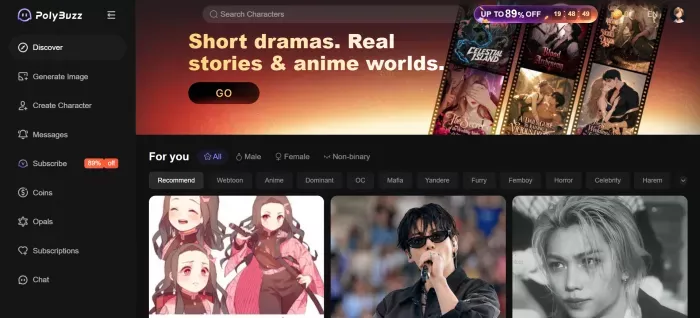
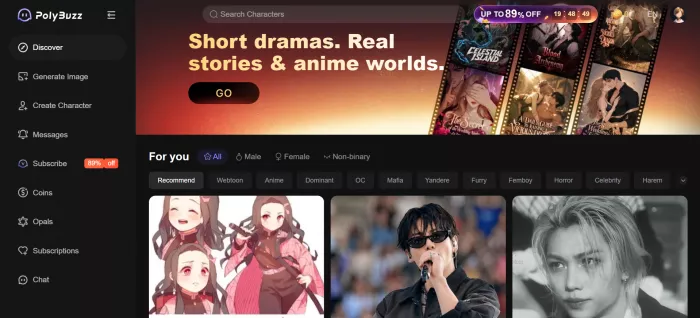
PolyBuzz is an AI character chat and roleplay platform.
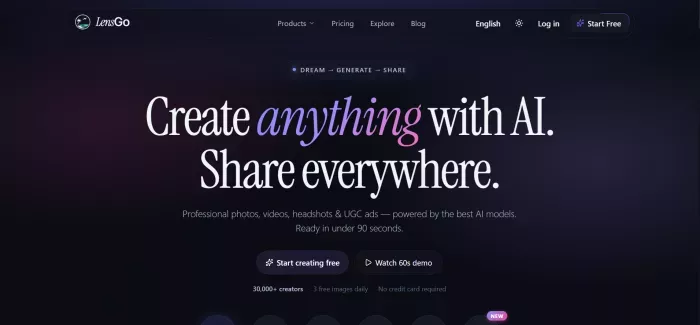
LensGo AI is a browser-based creative studio that bundles a stack of t...
Discussion