When someone visits usaenlinea.com for the first time, the experience usually feels informational rather than interactive. The site does not present itself as a tool, an app, or a service that requires sign-ups or direct action. Instead, it reads more like a content-based website focused on explaining topics connected to the United States.
The name itself sets expectations. “USA en línea” suggests information about the United States presented online, likely aimed at Spanish-speaking readers. This framing immediately gives users a sense of what they might find: articles, explanations, or guides related to U.S. topics, policies, systems, or general knowledge.
At first glance, the site feels:
There is no strong push to create accounts, download anything, or interact beyond reading.
In simple terms, usaenlinea.com appears to be an informational content website. Its primary purpose seems to be explaining topics related to the United States in Spanish, often in a simplified or accessible way.
It does not behave like:
Instead, it fits more comfortably into the category of general informational blogs or explainer sites. These types of sites usually aim to:
This distinction is important, especially for readers who may confuse informational websites with official sources.
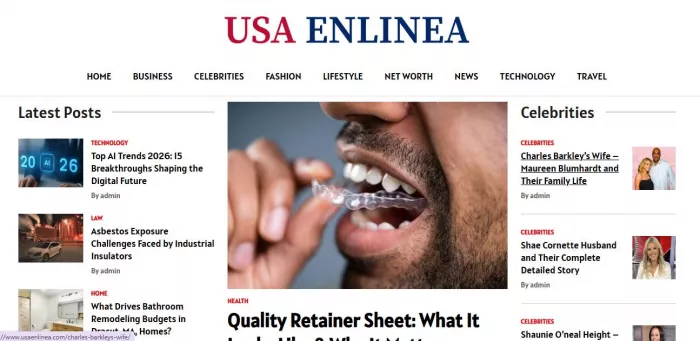
Most visitors do not stumble onto usaenlinea.com randomly. They usually arrive through search engines while looking for answers about U.S.-related topics.
For Spanish-speaking users, especially those outside the U.S., sites like this can feel more approachable than English-only sources or official government pages.
The appeal is not authority, but readability.
usaenlinea.com appears to focus on explaining, not instructing or processing requests. Its goal is not to complete tasks for users but to help them understand topics better.
This approach makes the site feel educational, but informal.
The structure of usaenlinea.com is straightforward. Most pages follow a familiar pattern that many readers are comfortable with.
There is usually no assumption that the reader already understands the topic. Articles often start with basic context and move gradually into more detail.
This makes the site suitable for:
It is less suited for readers looking for official documents or legal certainty.
usaenlinea.com seems designed with a specific type of reader in mind.
For these users, the site can act as a starting point, a place to understand a topic before diving deeper elsewhere.
The site does not appear to position itself as an official source, and readers should not treat it as one.
One of the most important things to understand about usaenlinea.com is the difference between clarity and authority.
This is not a flaw. It is simply the nature of content-based explainer websites.
Like any informational website, usaenlinea.com has natural limits.
Some things users should keep in mind:
This does not make the site misleading, but it does mean:
It should be read as informational, not definitive.
Users should avoid making important decisions based only on one source.
usaenlinea.com does not appear to ask users for sensitive information. It functions mainly as a reading-based site.
Still, basic awareness is always useful:
These are general internet habits, not warnings specific to this site.
usaenlinea.com belongs to a large group of websites that aim to:
These sites play an important role for many users, especially:
They do not compete with official institutions. They complement them by offering understanding first.
In plain terms, usaenlinea.com is an informational website that explains U.S.-related topics in Spanish using simple, accessible language. It is designed for readers who want to understand concepts without dealing with technical or official wording.
For readers who value clarity and context, the site can be helpful. For those needing certainty or formal guidance, it should be paired with more authoritative sources.
Understanding this balance helps users use the site responsibly and effectively.

Artificial intelligence has rapidly moved beyond productivity tools an...
AI website builders have shifted from simple template tools to systems...

April 4, 2026Elon Musk has asked banks involved in SpaceX’s anticipate...
When dashboards exist but decisions still stallA mid-sized ecommerce c...
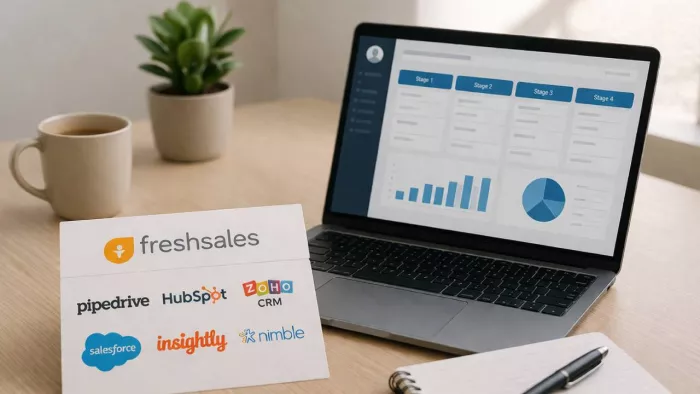
Alternatives Based on What You Want to FixIf You Want Better Pipeline...

Canberra, April 1, 2026- The Australian government has entered into a...

Discussion