A few years ago, reaching a global audience meant hiring voice actors, booking studios, and spending weeks on localization. In 2026, a YouTuber can upload one video and publish it in five languages by the end of the day.
AI dubbing tools are helping creators, educators, and businesses:
1. Reach international audiences
2. Localize content without huge budgets
3. Reduce production time
4. Maintain a consistent voice across languages
5. Scale content faster
Instead of listing tools randomly, let’s walk through how real creators use AI dubbing and which tools fit each workflow.
If you're a content creator, speed and simplicity matter most.
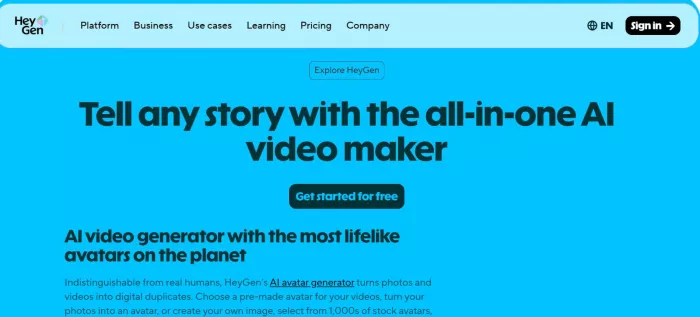
What it does
HeyGen allows you to upload a video, and it automatically translates and dubs it into multiple languages, often preserving the speaker’s voice tone.(https://www.heygen.com/)
How Dubbing Works
● AI transcribes your video
● Translates the script
● Generates new voice audio
● Syncs it back to your video
Key Features
● Multi-language support (40+ languages)
● Voice cloning
● Automatic lip-sync
● Natural-sounding AI voices
What Makes It Different
Strong lip-sync accuracy and ease of use for non-technical creators.
Pros
● Very beginner-friendly
● Fast turnaround
Good voice realism
Limitations
● Paid subscription required for full access
● Some accents may sound slightly robotic
Pricing
Paid plans (free preview available)
Best For
YouTubers, Instagram creators, short-form content creators
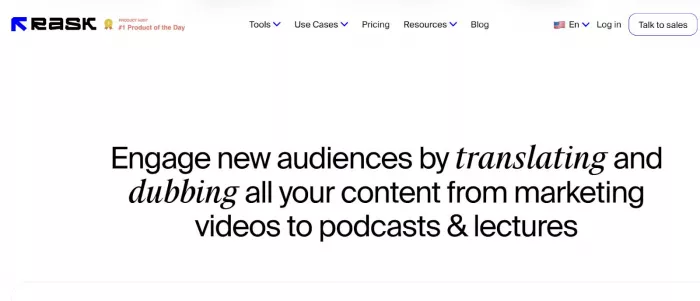
What it does
Rask AI focuses specifically on translating and dubbing videos for global distribution. (https://www.rask.ai/)
Key Features
● 130+ language support
● Voice cloning
● Speaker detection
● Auto lip-sync
What Makes It Stand Out
Better for scaling multilingual content libraries.
Pros
● Strong localization workflow
● Supports large content batches
Limitations
● The interface is slightly less beginner-friendly
● Pricing geared toward businesses
Pricing
Paid plans based on usage
Best For
Growing YouTube channels, agencies, and social media teams
Online course creators need clarity, accuracy, and clean narration.
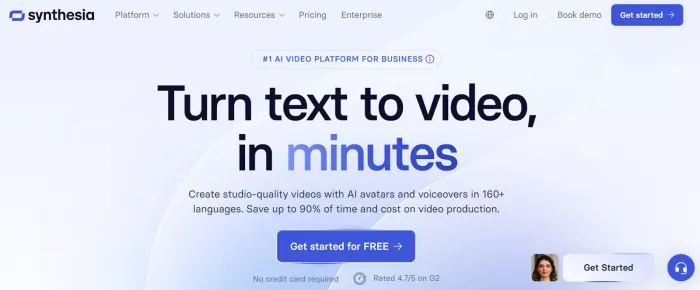
What it does
Synthesia converts scripts into AI-narrated videos and supports dubbing into multiple languages.(https://www.synthesia.io/)
How It Works
You upload a script or video → choose language → AI generates dubbed version with avatar or voiceover.
Key Features
● 120+ languages
● AI avatars
● Corporate-ready voices
● Clean pronunciation
What Makes It Different
Combines dubbing and AI presenters in one tool.
Pros
● Professional tone
● Ideal for training videos
● No recording setup required
Limitations
● Subscription cost
● Less emotional depth in voices
Pricing
Paid plans only
Best For
Educators, online course creators, HR training teams
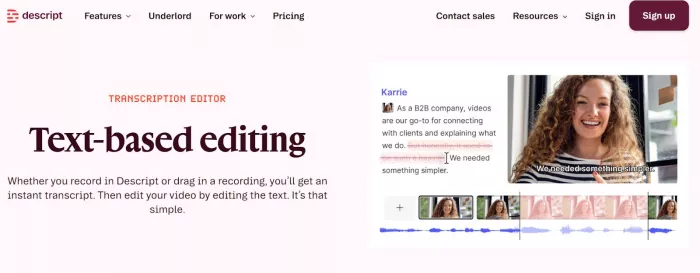
What it does
Descript lets you edit video like a text document and generate AI voiceovers or translations.(https://www.descript.com/)
Key Features
● Overdub voice cloning
● Text-based video editing
● Clean audio tools
● Screen recording
What Makes It Unique
You can rewrite spoken words by editing the transcript.
Pros
● Powerful editing control
● Good for tutorials
● Natural voice cloning
Limitations
● Learning curve for beginners
● Translation is not as automated as dedicated tools
Pricing
Free basic plan
Paid advanced features
Best For
Educators, tutorial creators, podcasters
When content quality is critical, precision matters.
What it does
Deepdub provides AI dubbing designed for films and streaming platforms. (https://deepdub.ai/)
Key Features
● Emotion-preserving voice models
● Studio-level sound quality
● Advanced lip-sync
● Human quality control options
What Makes It Different
Focuses on cinematic performance rather than quick content repurposing.
Pros
● High realism
● Professional-grade results
Limitations
● Enterprise-level pricing
● Not designed for casual creators
Pricing
Custom enterprise pricing
Best For
Film studios, OTT platforms, production houses
What it does
Papercup specializes in AI-powered TV and documentary dubbing.
Key Features
● Human-in-the-loop editing
● Natural pacing
● Broadcaster-ready audio
Pros
● High translation accuracy
● Good for documentaries
Limitations
● Not budget-friendly
● Project-based pricing
Pricing
Custom pricing
Best For
Broadcasters, media companies
These tools shine when you want your original voice preserved.
What it does
ElevenLabs offers advanced AI voice cloning and multilingual speech synthesis. (https://elevenlabs.io/)
How It Works
You train the AI on your voice → translate script → generate new language version in your own voice.
Key Features
● Ultra-realistic voice cloning
● Emotional voice control
● Multi-language output
What Makes It Stand Out
One of the most natural-sounding AI voices available.
Pros
● High voice realism
● Flexible API access
Limitations
● Requires editing workflow integration
● Not a full video editor
Pricing
Free limited plan
Paid tiers for higher usage
Best For
YouTubers, voice actors, agencies
If you're experimenting or just starting:
What it does
CapCut offers built-in AI voiceover and translation features inside its video editor.
Key Features
● Auto captions
● Basic translation
● Text-to-speech voices
Pros
● Free to use
● Easy mobile editing
Limitations
● Basic voice quality
● Limited language realism
Pricing
Free (with optional premium features)
Best For
Beginner creators, TikTok users
| Tool | Primary Use Case | Languages Supported | Voice Cloning | Lip Sync | Video Editing Included | Ease of Use | Pricing Model | Best For |
| HeyGen | Social media and YouTube dubbing | 40+ languages | Yes | Yes (automatic) | Basic | Easy | Paid plans (free preview) | Creators who want fast multilingual videos |
| Rask AI | Large-scale video localization | 130+ languages | Yes | Yes (automatic) | Limited | Moderate | Paid (usage-based) | Agencies and growing channels |
| Synthesia | Courses and corporate training | 120+ languages | Limited (AI avatar voices) | Yes | Yes | Easy | Paid subscription | Educators and training teams |
| Descript | Tutorials and content editing | Multiple languages | Yes (Overdub) | Manual / Limited | Yes (advanced) | Moderate | Free plan + Paid plans | Educators and editors need control |
| Deepdub | Film and streaming localization | Custom / enterprise-level | Yes (emotion-aware) | Yes (high precision) | No (localization focused) | Advanced | Custom enterprise pricing | Film studios and OTT platforms |
| Papercup | TV and documentary dubbing | Broad language coverage | Limited | Yes | No (localization service) | Moderate | Custom project pricing | Broadcasters and media companies |
| ElevenLabs | Voice cloning and AI narration | Many major languages | Yes (high realism) | No (audio only) | No | Moderate | Free plan + Paid tiers | Voice-focused creators and agencies |
| CapCut | Budget-friendly social media dubbing | Basic language support | No | Limited | Yes | Very Easy | Free with optional premium | Beginners and short-form creators |
In the next few years, AI dubbing will likely:
● Improve emotion transfer across languages
● Offer near-perfect lip-sync
● Preserve cultural tone and slang
● Enable real-time multilingual streaming
● Integrate directly with YouTube and course platforms
The biggest change? Language will stop being a barrier.
Creators won’t need separate production teams for each country. One video will truly mean global reach — instantly.
AI dubbing isn’t just about translation anymore. It’s about scaling stories across borders.
AI-powered image editing has moved far beyond simple filters. Today’s...
AI chat platforms built around fictional characters and roleplay conve...
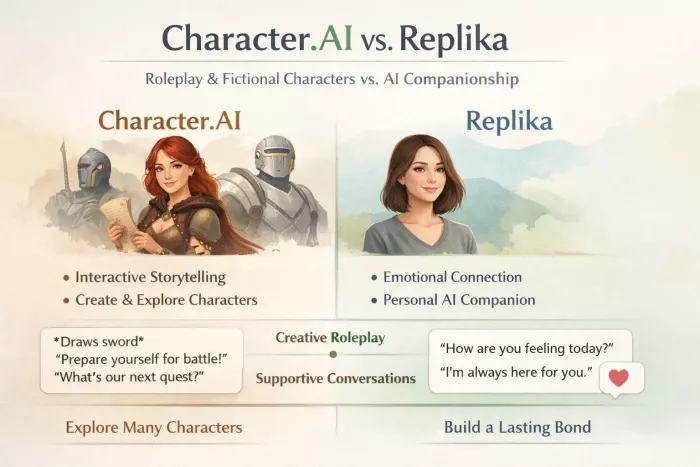
AI chat platforms have evolved far beyond simple question-and-answer b...
Platform OverviewCutout.pro is an AI-powered image editing platform de...
AI chat platforms designed for roleplay and interactive conversations...
Goth AI is a character-based AI chat platform designed for dark, gothi...
Discussion