Creating professional talking head videos once meant hiring presenters, renting studios, setting up cameras, and spending hours on retakes and editing. In 2026, that workflow has changed dramatically. AI avatars and synthetic presenters now allow anyone to turn a simple script into a polished talking head video without cameras, microphones, or on-screen talent.
Businesses use these tools for training and internal updates, educators rely on them for scalable eLearning, and creators use them to publish consistent video content without showing their face. Below are six of the best AI tools for creating talking head videos in 2026, explained in a clear, practical, and beginner-friendly way.
Synthesia is one of the most well-known platforms in the AI talking head space and is often the first tool companies adopt. It allows you to type a script, choose an AI presenter, select a background, and generate a professional video in minutes. Synthesia
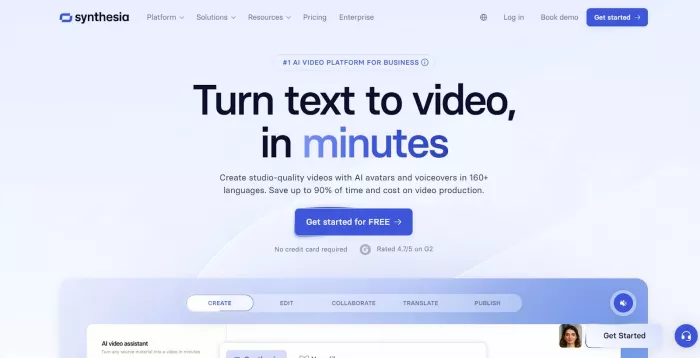
What makes Synthesia stand out is its strong focus on corporate and educational content. The avatars look clean, professional, and consistent, which is ideal for training, onboarding, and internal communication videos.
Synthesia supports dozens of languages and accents, making it especially useful for global teams. You can also customize colors, layouts, and branding elements so the videos match your company identity.
Pros
● Very professional-looking avatars
● Excellent multilingual support
● Easy script-to-video workflow
Limitations
● Avatars can feel formal or corporate
● Limited facial expressiveness compared to newer tools
Pricing
● No permanent free plan
● Paid plans based on number of videos and usage
HeyGen has become extremely popular with creators and marketers because its avatars feel more natural, expressive, and camera-friendly. The platform is designed to be simple: write your script, choose an avatar or create one from a real person, and generate the video. HeyGen
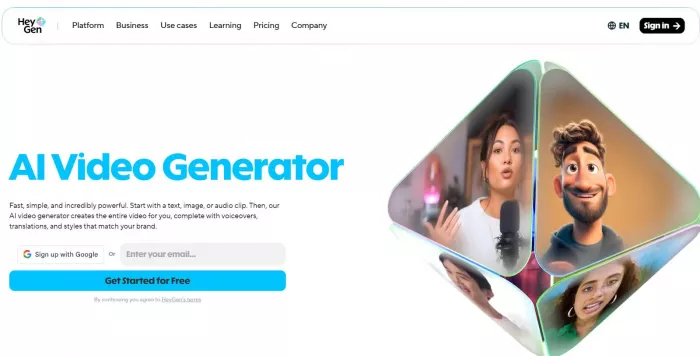
One of HeyGen’s biggest strengths is lip-sync accuracy. The mouth movements closely match the speech, which makes the avatars feel more believable, especially in close-up talking head videos.
HeyGen also allows brand customization, background changes, and multiple video formats making it a great choice for social media, YouTube, and ads.
Pros
● More expressive and natural avatars
● Strong lip-sync quality
● Beginner-friendly interface
Limitations
● Fewer enterprise workflow tools than Synthesia
● Advanced features require higher-tier plans
Pricing
● Free trial available
● Paid plans for creators and businesses
D-ID takes a slightly different approach by focusing on photo-to-video animation. You can upload a still image (real or AI-generated), add a script, and turn it into a talking head video with realistic facial movement. D-ID
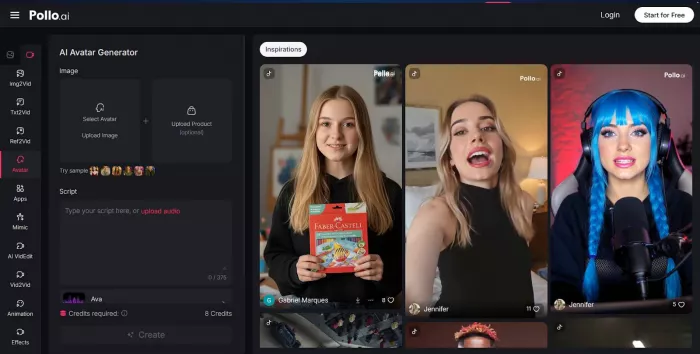
This makes D-ID especially useful for storytelling, historical recreations, character-driven videos, or personalized content. The avatars feel more human-like, though slightly less polished than studio-style presenters.
D-ID is widely used in creative projects, marketing experiments, and AI character applications.
Pros
● Turns photos into talking videos
● Highly realistic facial animation
● Great for creative and storytelling use cases
Limitations
● Less suited for formal corporate training
● Limited built-in branding tools
Pricing
● Free trial available
● Credit-based paid plans
Colossyan is designed primarily for training, HR, and internal communications. Its AI presenters are clear, neutral, and easy to understand, making them ideal for instructional content. Colossyan
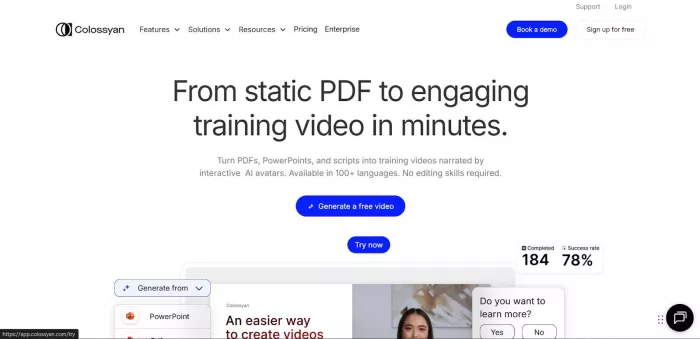
The platform emphasizes structured video creation slides, captions, presenter positioning, and multilingual narration. It’s especially useful for organizations that need to produce the same training video in multiple languages.
Colossyan may not be the most expressive tool, but it’s extremely practical and reliable for business use.
Pros
● Excellent for training and onboarding
● Strong accessibility features (subtitles, clarity)
● Easy multi-language video creation
Limitations
● Less expressive avatars
● Limited creative flexibility
Pricing
● No permanent free plan
● Paid subscriptions aimed at teams and businesses
Elai.io offers a good balance between realism and customization. It allows you to generate talking head videos from text, PowerPoint-style slides, or structured scripts. Elai.io
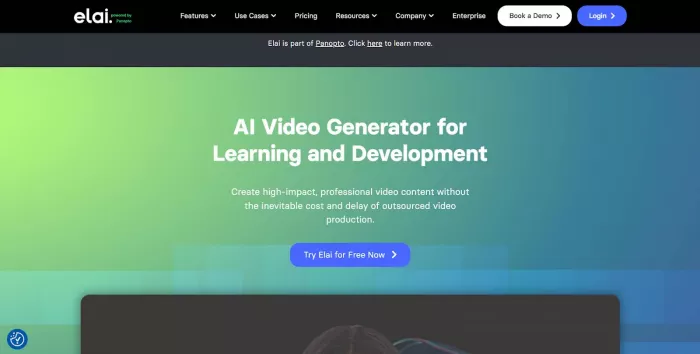
What makes Elai.io interesting is its flexibility. You can choose from multiple avatars, create custom presenters, and design videos that feel more like presentations with a human guide.
It’s a strong option for educators, course creators, and startups that want professional-looking videos without being overly corporate.
Pros
● Multiple script and slide-based workflows
● Custom avatar options
● Good balance of realism and control
Limitations
● Interface can feel complex for beginners
● Avatar realism varies by style
Pricing
● Free trial available
● Paid plans based on video length and features
DeepBrain AI focuses heavily on hyper-realistic digital humans. Its avatars are designed to closely resemble real news anchors or presenters, making them ideal for formal announcements and information delivery. DeepBrain AI
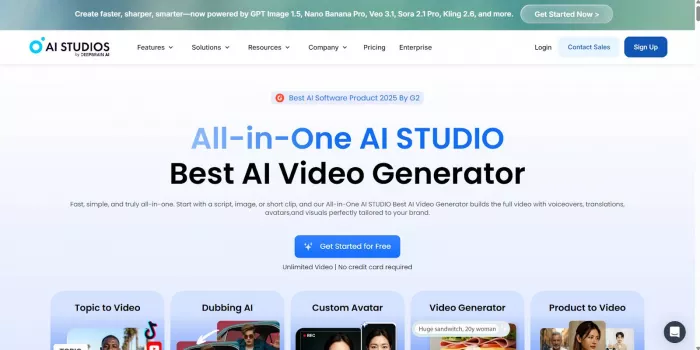
The platform is widely used in media, education, and enterprise communication where credibility and clarity matter more than creativity. Voice quality and lip-sync accuracy are strong, especially for long-form speaking.
Pros
● Highly realistic, human-like avatars
● Strong voice clarity and lip-sync
● Reliable for formal content
Limitations
● Less creative or casual styles
● Pricing can be high for individual creators
Pricing
● Free demo available
● Paid plans for business and enterprise users
In 2026, AI talking head tools have made video creation faster, cheaper, and far more accessible. What once required cameras, presenters, and studios can now be done with a script and a few clicks.
Quick tips for choosing the right platform
● For corporate training and global teams: Synthesia or Colossyan
● For marketing, YouTube, and social media: HeyGen or Elai.io
● For creative storytelling and characters: D-ID
● For realistic news-style presenters: DeepBrain AI
The right tool depends on your budget, realism needs, branding requirements, and content type. As AI avatars continue to improve, talking head videos are no longer limited by who’s in front of the camera only by what you want to say.
AI-powered image editing has moved far beyond simple filters. Today’s...
AI chat platforms built around fictional characters and roleplay conve...
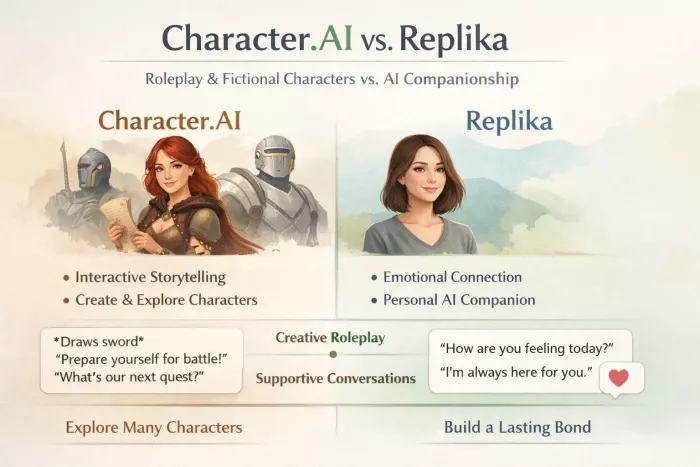
AI chat platforms have evolved far beyond simple question-and-answer b...
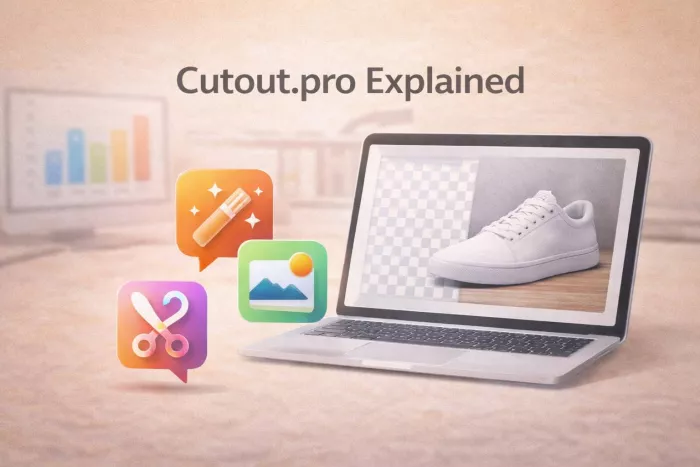
Platform OverviewCutout.pro is an AI-powered image editing platform de...
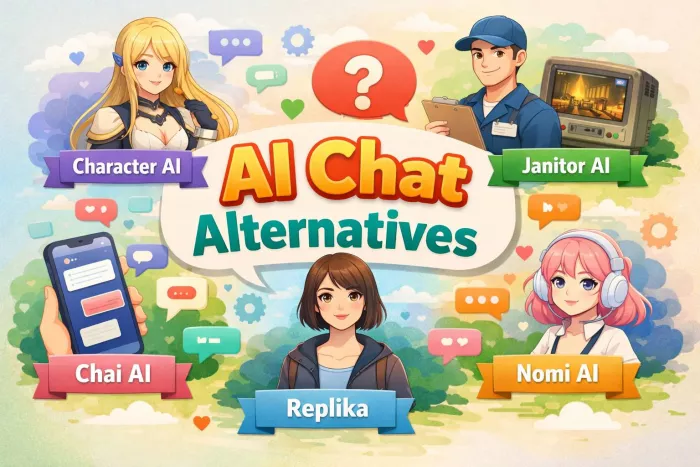
AI chat platforms designed for roleplay and interactive conversations...
Goth AI is a character-based AI chat platform designed for dark, gothi...

Discussion