AI voice agents are no longer just chatbots that talk. In 2026, they answer customer support calls, qualify sales leads, book appointments, act as personal assistants, and even handle entire call centers. Businesses are adopting them fast because they work 24/7, scale instantly, reduce costs, and—most importantly—sound more human than ever.
Instead of asking “What’s the best AI voice tool?”, the smarter question is:
“What kind of calls do I want my AI to handle?”
Let’s break it down by real-world use cases.
What it is & how it works (simple):
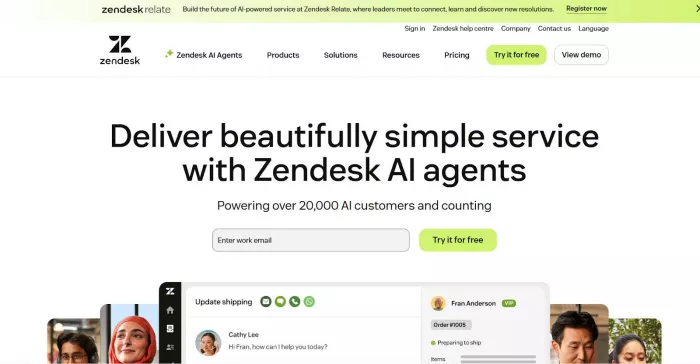
Zendesk’s AI voice agents answer customer support calls, understand spoken questions, and either resolve issues or route callers to humans when needed. Zendesk (AI Voice Bots)
Key features
● Natural speech recognition
● AI-powered call routing
● CRM and ticket system integration
● Call summaries and analytics
What makes it different
● Deeply built for customer support teams, not general AI
● Works seamlessly with existing help desks
Pros
● Very reliable
● Great for high call volumes
● Strong analytics
Limitations
● Less customization for creative use cases
● Best suited for businesses already using Zendesk
Pricing
● Paid plans only (enterprise-focused)
Best for
● Customer support teams
● SaaS companies
● Enterprises
What it is:
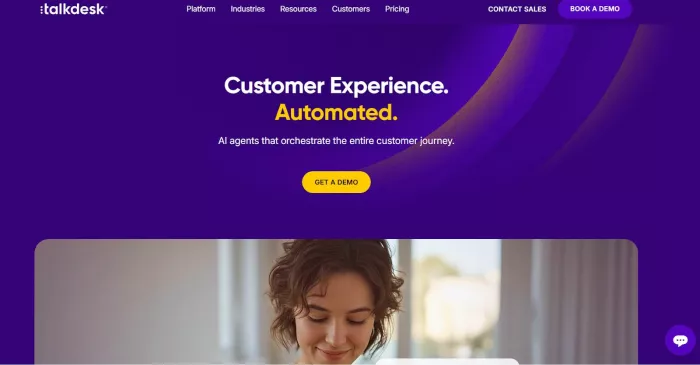
Talkdesk uses AI voice agents to automate support calls while maintaining a human-like tone. Talkdesk
Key features
● Voice AI with intent detection
● Omnichannel support (voice + chat)
● Call escalation to humans
● Compliance and security features
What makes it different
● Designed specifically for call centers
● Strong focus on reliability and compliance
Pros
● Enterprise-grade
● Handles complex support flows
Limitations
● Not beginner-friendly
● Higher cost
Pricing
● Enterprise pricing
Best for
● Call centers
● Large customer service operations
What it is:
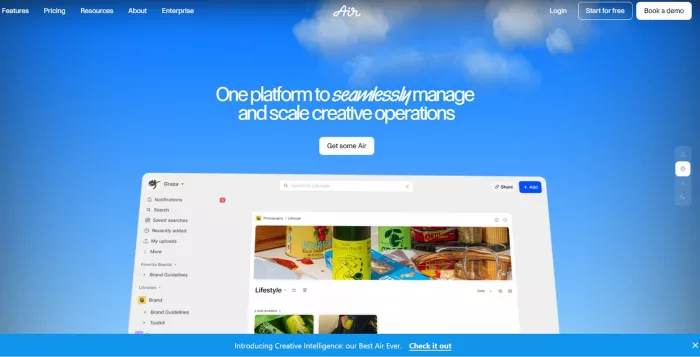
Air AI creates AI voice agents that can call leads, hold natural conversations, qualify prospects, and book meetings. Air AI
Key features
● Human-like conversational memory
● Cold calling and follow-ups
● CRM integration
● Natural interruptions and responses
What makes it different
● Designed specifically for outbound sales calls
● Handles long, unscripted conversations
Pros
● Very realistic conversations
● Strong sales workflows
Limitations
● Requires setup time
● Not ideal for beginners
Pricing
● Paid only (usage-based)
Best for
● Sales teams
● Agencies
● Lead generation companies
What it is:
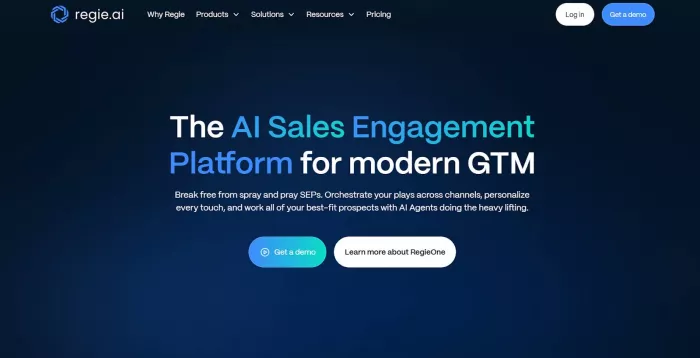
Regie AI focuses on automating sales outreach, including voice-based engagement. Regie.ai
Key features
● AI-generated sales scripts
● Call flow automation
● CRM integration
What makes it different
● Strong alignment with sales pipelines
● Combines voice with email and messaging
Pros
● Boosts sales productivity
● Consistent messaging
Limitations
● Less flexible conversational freedom
● Sales-focused only
Pricing
● Paid plans
Best for
● B2B sales teams
● SDR teams
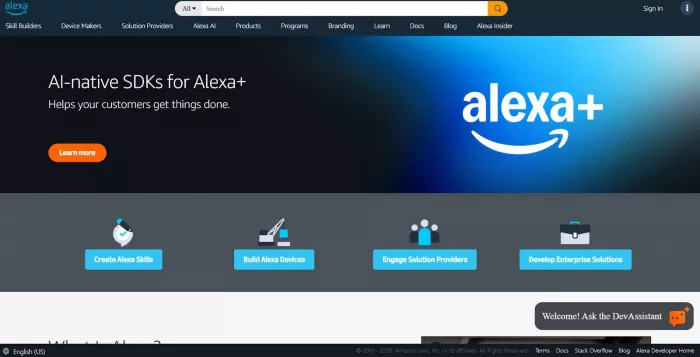
What it is:
Alexa Voice Services lets developers build custom voice assistants for smart devices. Amazon (Alexa Voice Services
Key features
● Speech recognition
● Voice responses
● Device control
● Smart home integrations
What makes it different
● Deep smart-device ecosystem
● Reliable voice recognition
Pros
● Mature platform
● Large user base
Limitations
● Limited conversational depth
● Less suitable for business calls
Pricing
● Free tier, usage-based costs
Best for
● Smart device creators
● IoT developers
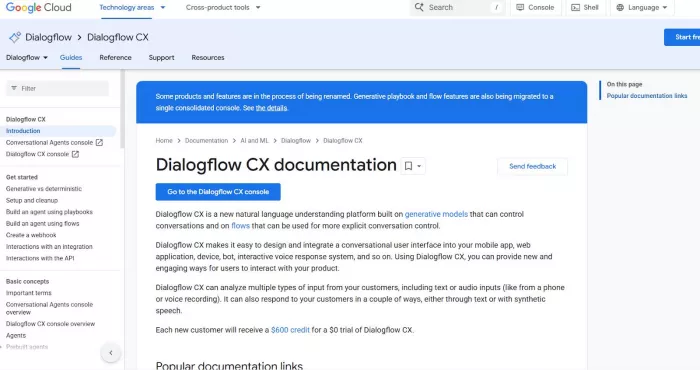
What it is:
Dialogflow CX allows teams to build conversational voice agents for assistants and apps. Google (Dialogflow CX)
Key features
● Voice and text understanding
● Flow-based conversation design
● Google Cloud integrations
What makes it different
● Visual conversation builder
● Strong language understanding
Pros
● Reliable
● Scales well
Limitations
● Learning curve for beginners
● Developer-focused
Pricing
● Pay-as-you-go
Best for
● Enterprises
● Technical teams
What it is:
OpenAI provides APIs for speech recognition, text generation, and voice synthesis—allowing
developers to build fully custom AI voice agents. OpenAI (Realtime Voice APIs)
Key features
● Real-time speech-to-text
● Natural language understanding
● Voice synthesis
● Memory and context handling
What makes it different
● Extremely flexible
● Best conversational intelligence available
Pros
● Highly customizable
● State-of-the-art AI reasoning
Limitations
● Requires coding
● No out-of-the-box UI
Pricing
● Usage-based
● No permanent free tier
Best for
● Developers
● Startups
● Custom AI products
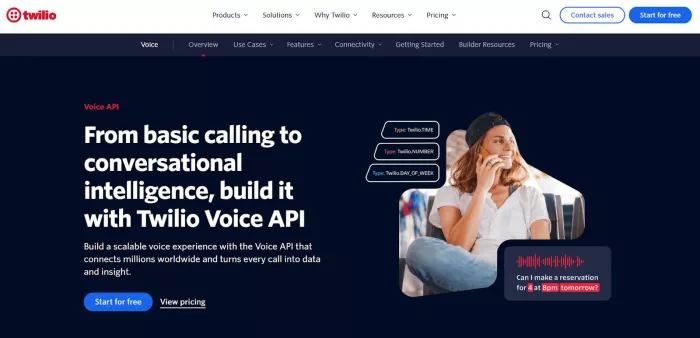
What it is:
Twilio enables programmable voice calls combined with AI intelligence. Twilio (Voice AI)
Key features
● Phone number provisioning
● Call handling
● AI integration support
● Global infrastructure
What makes it different
● Best telephony infrastructure
● Works worldwide
Pros
● Reliable
● Scalable
Limitations
● Not beginner-friendly
● Requires development effort
Pricing
● Pay-per-minute
Best for
● Developers
● Telecom-heavy applications
What it is:
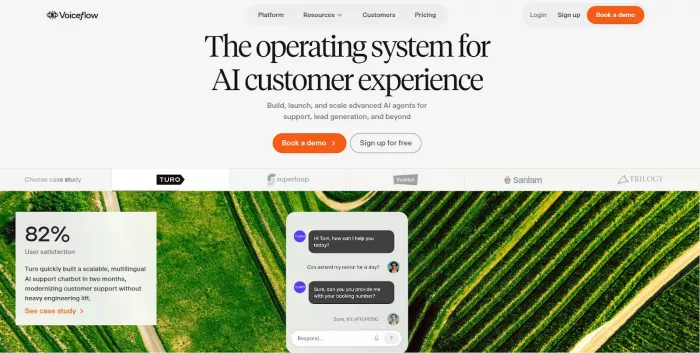
Voiceflow lets users build AI voice agents visually—without writing code. Voiceflow
Key features
● Drag-and-drop flow builder
● Voice and chatbot support
● API integrations
What makes it different
● Best no-code experience
● Great for prototyping
Pros
● Beginner-friendly
● Fast setup
Limitations
● Limited deep logic
● Complex agents may need dev help
Pricing
● Free tier
● Paid plans for teams
Best for
● Beginners
● Designers
● Startups
What it is:
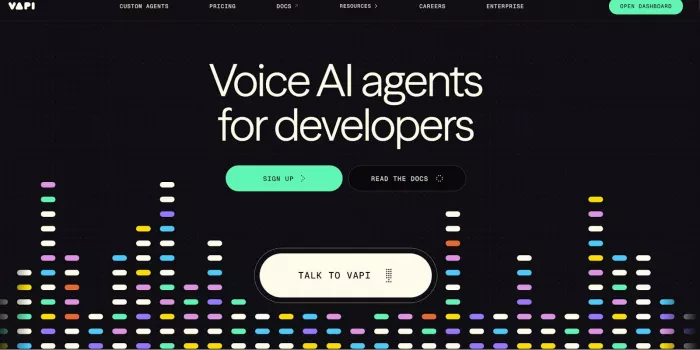
Vapi focuses on building AI voice agents quickly with minimal coding. Vapi
Key features
● Pre-built voice agent templates
● Phone call integration
● Real-time conversations
What makes it different
● Faster than most developer tools
● Focused purely on voice agents
Pros
● Rapid deployment
● Modern voice quality
Limitations
● Still requires some technical knowledge
Pricing
● Usage-based pricing
Best for
● Indie builders
● AI startups
● Hackers
| Category | Best Tool |
| Best for Beginners | Voiceflow |
| Best for Enterprises | Zendesk / Talkdesk |
| Best for Sales Calls | Air AI |
| Best for Developers | OpenAI + Twilio |
| Best No-Code Builder | Voiceflow |
| Best Custom Smart Assistants | Google Dialogflow |
AI voice agents are moving beyond scripted bots. The next generation will:
● Handle full conversations end-to-end
● Understand emotion and intent
● Seamlessly handoff to humans
● Operate across calls, apps, and devices
Rather than replacing humans entirely, AI voice agents will handle repetitive and high-volume calls, freeing humans to focus on complex, high-value conversations.
In 2026, the question isn’t if AI will answer calls—it’s which calls you’ll let AI handle first.
If you want, I can:
● Recommend the best AI voice tool for your specific use case
● Create a step-by-step setup guide
● Compare two tools side by side
AI-powered image editing has moved far beyond simple filters. Today’s...
AI chat platforms built around fictional characters and roleplay conve...
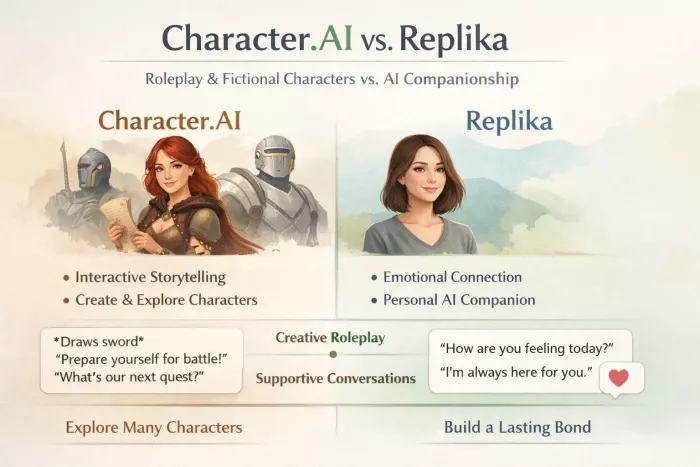
AI chat platforms have evolved far beyond simple question-and-answer b...
Platform OverviewCutout.pro is an AI-powered image editing platform de...
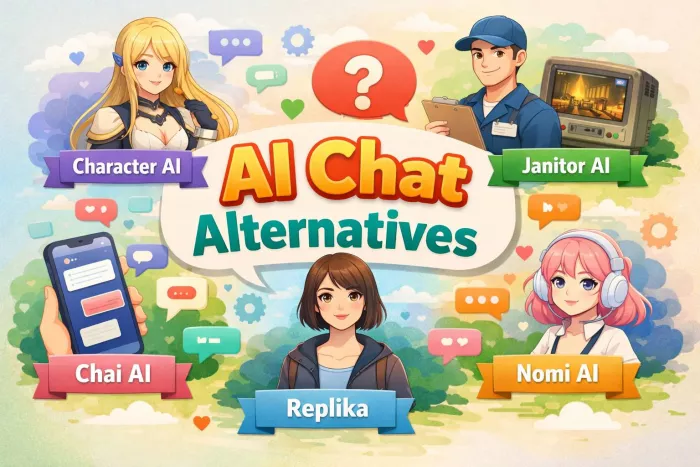
AI chat platforms designed for roleplay and interactive conversations...
Goth AI is a character-based AI chat platform designed for dark, gothi...

Discussion