Pipedrive is the most direct upgrade if your focus is on pipeline visibility and ease of use.
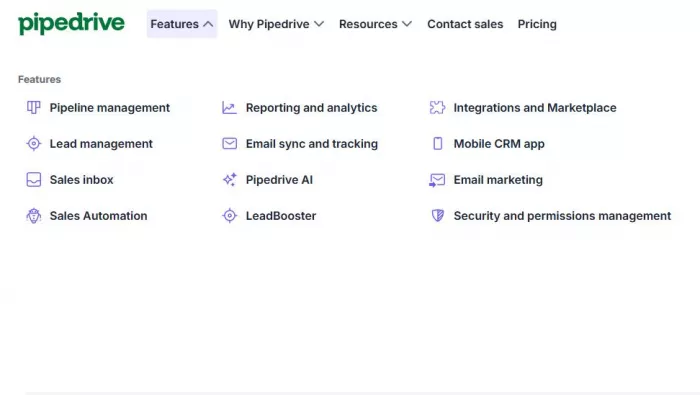
Pricing starts around 14 dollars per user per month, making it accessible for small teams. The interface is built around visual pipelines, which makes it easy to track deals and understand movement across stages. (Pipedrive)
The strength of Pipedrive is clarity. Sales reps know exactly where deals stand without digging through reports.
The limitation is automation depth. While it supports workflows, it is not designed for complex automation or marketing integration. Teams often need additional tools for that.
Best fit: teams that want a cleaner, more focused sales pipeline without added complexity.
HubSpot CRM and Zoho CRM solve the pricing problem, but in very different ways.
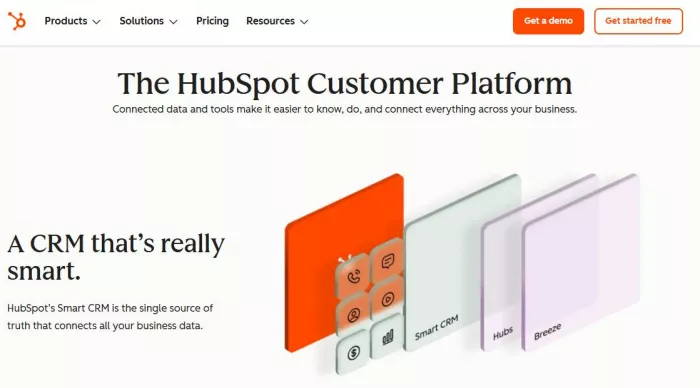
HubSpot offers a free plan that includes core CRM features and basic automation. Paid plans typically start around 20 dollars per month and scale significantly as features expand. Ratings are usually around 4.4 to 4.5. (HubSpot)
HubSpot works well because it combines CRM with marketing tools. This makes it useful for teams that want email campaigns, tracking, and reporting in one place.
The drawback is cost growth. As you unlock advanced features, pricing increases quickly.
Zoho CRM takes a different approach. Pricing ranges from around 14 to 65 dollars per user per month, with ratings around 4.2. It offers more features at lower price points, including AI through Zia. (Zoho CRM)
The trade off is usability. Zoho requires setup effort. It is not as intuitive as HubSpot, especially for new users.
Best fit:
● HubSpot for teams that want ease and integration
● Zoho for teams that want more features at a lower cost but are willing to invest time
Salesforce is the most powerful alternative in this category.
Pricing starts around 25 dollars per user per month and can exceed 500 dollars depending on features. Ratings are generally around 4.3. (Salesforce)
The strength of Salesforce is customization. You can build complex workflows, advanced reporting, and detailed forecasting systems. It is designed for teams with structured processes and long sales cycles.
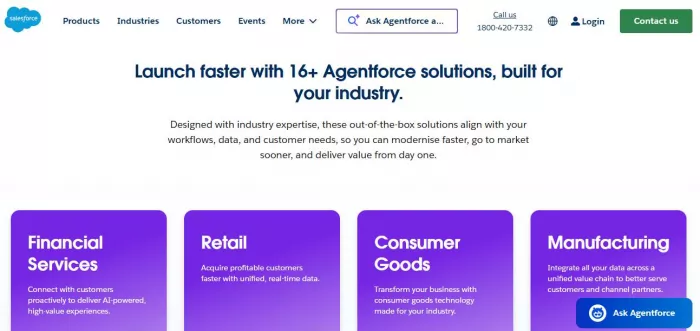
The limitation is complexity. Setup takes time. Many companies require dedicated resources to manage it. Costs also increase as you scale.
Best fit: businesses that need deep customization and are ready to invest in setup and maintenance.
Insightly and Nimble offer alternatives for teams that feel restricted by Freshsales integrations.
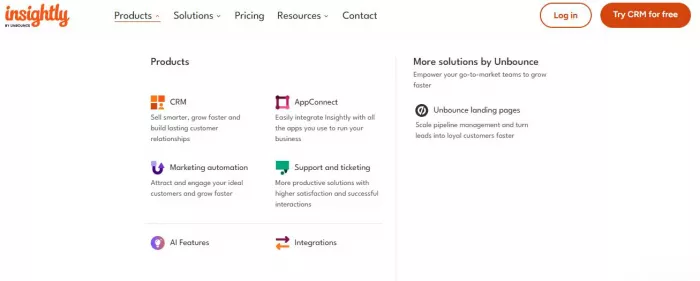
Insightly focuses on project management combined with CRM. It has strong API support and integrates well with external tools. Pricing usually starts around 29 dollars per user per month, with ratings around 4.2. (Insightly)
The strength is flexibility. You can connect multiple systems and manage workflows beyond sales.
The limitation is interface complexity. It is not as clean or intuitive as tools like Pipedrive.
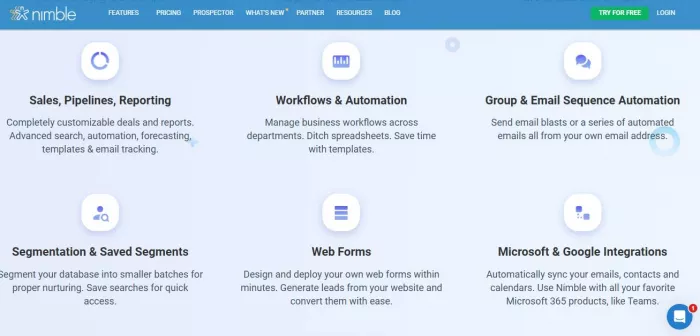
Nimble is more focused on relationship management and social CRM. Pricing starts around 25 dollars per user per month, with ratings around 4.4. (Nimble)
It works well for outreach, especially when connecting social profiles and contact data.
The limitation is scalability. It is not built for complex sales pipelines or large teams.
Best fit:
● Insightly for integration-heavy workflows
● Nimble for relationship-driven sales and outreach
| Problem with Freshsales | Best Alternative | Why it Works | Limitation |
| Limited automation | HubSpot | Strong workflows and marketing integration | Costs increase with scale |
| Weak pipeline clarity | Pipedrive | Visual and simple pipeline tracking | Limited automation depth |
| Need lower cost option | Zoho CRM | More features at lower price | Requires setup effort |
| Lack of customization | Salesforce | Highly flexible and scalable | Complex and expensive |
| Limited integrations | Insightly | Strong API and integrations | Interface complexity |
| Weak relationship tracking | Nimble | Social CRM and outreach focus | Limited scalability |
| Tool | Pricing | Rating | Best For | Key Drawback |
| Pipedrive | 14+ dollars per user per month | 4.4 | Pipeline tracking | Limited automation |
| HubSpot CRM | Free to 100+ dollars per month | 4.4 to 4.5 | Marketing + CRM | Expensive at scale |
| Zoho CRM | 14 to 65 dollars per user per month | 4.2 | Budget + features | Learning curve |
| Salesforce | 25 to 500+ dollars per user per month | 4.3 | Custom workflows | Complexity |
| Insightly | 29+ dollars per user per month | 4.2 | Integrations | UI complexity |
| Nimble | 25+ dollars per user per month | 4.4 | Social CRM | Limited scaling |
Switching from Freshsales only makes sense when you clearly understand what is missing in your current workflow.
● Pipedrive is often the safest option for beginners because it improves pipeline clarity without adding complexity.
● When automation and marketing integration become priorities, HubSpot stands out, though costs should be monitored as usage grows.
● Zoho CRM delivers strong value for budget-conscious teams, but it requires time and effort to set up properly.
● Salesforce provides the highest level of control and customization, yet it only makes sense for teams that truly need that level of depth.
Staying with Freshsales is still a valid choice for teams with simple workflows, as switching to a more complex system can create unnecessary friction.
Ultimately, the right decision is not about choosing a better tool, but about selecting one that aligns with how your team actually works.

Anthropic is tightening how its AI coding platform is billed, confirmi...

Artificial intelligence has rapidly moved beyond productivity tools an...

AI website builders have shifted from simple template tools to systems...

April 4, 2026Elon Musk has asked banks involved in SpaceX’s anticipate...
When dashboards exist but decisions still stallA mid-sized ecommerce c...

Canberra, April 1, 2026- The Australian government has entered into a...

Discussion