Search for QuikConsole.com today, and you’ll notice something unusual: the main domain is no longer accessible or appears expired, yet dozens of articles, reviews, and explanations about “QuikConsole” continue to circulate online.
This creates a natural question for users and researchers alike:
What exactly was QuikConsole.com, and why is there so much conflicting information about it?
This article takes a calm, evidence-based look at what QuikConsole.com appears to have been, why its identity became distorted, and whether it ever functioned as a credible platform.

Based on archived references and third-party descriptions, QuikConsole was presented as a utility-style or technology-focused web platform, but with no clearly defined core function.
Different sources described it as:
What’s important is not which description is correct but that none of them could be independently verified through the official domain itself.
A legitimate product platform typically:
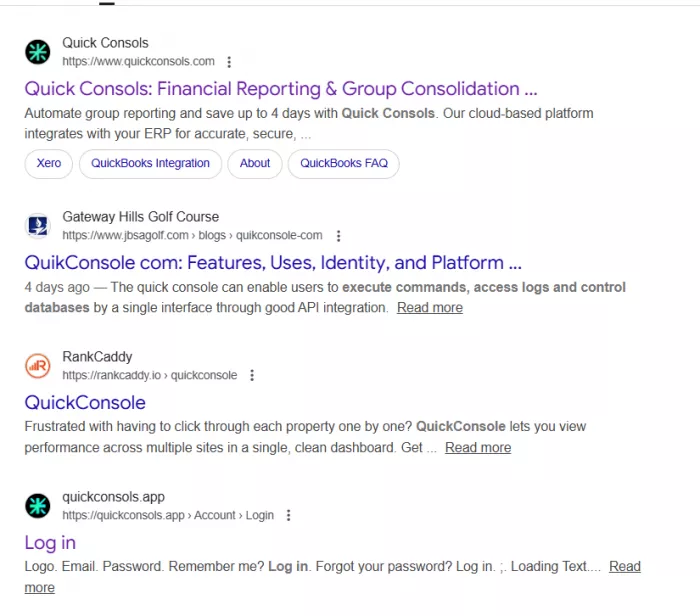
The inability to access QuikConsole.com strongly suggests one of the following scenarios:
One striking pattern around QuikConsole is the appearance of:
Based on third-party descriptions, the site was associated with content such as:
However, there is no archived, authoritative content library directly attributable to the official domain.
This strongly suggests that QuikConsole functioned more as a conceptual label than a content publisher.
This is one of the most telling aspects. Different reviewers describe QuikConsole in contradictory ways because:
QuikConsole Never Had a Clear Niche (Core Problem): Based on available records and archived descriptions, QuikConsole did not position itself around a single purpose or audience. Instead, it published content across unrelated categories.
Posting Style Caused Context Collapse: QuikConsole followed a broad, mixed-category posting style, similar to Generalist blogs, Multi-topic content hubs, and Early-stage content networks
Structural Issue, Not a Reviewer Bias Issue: QuikConsole’s unfocused publishing model made consistent understanding impossible
There is no evidence that QuikConsole.com itself operated as an SEO farm, but there is strong evidence that:
This distinction matters:
That often happens when:

From a trust perspective, QuikConsole.com fails nearly every modern credibility standard:
There is no confirmed evidence that:
At best, QuikConsole.com appears to have been:
QuikConsole.com should be understood as a defunct or unrealized digital project, not a functional web platform.
Key takeaways:
In practical terms:
QuikConsole exists today only as a search term—not as a service. For users, researchers, and readers, it should be treated as a case study in how online narratives can outlive the thing they describe.

AI-powered image editing has moved far beyond simple filters. Today’s...

AI chat platforms built around fictional characters and roleplay conve...
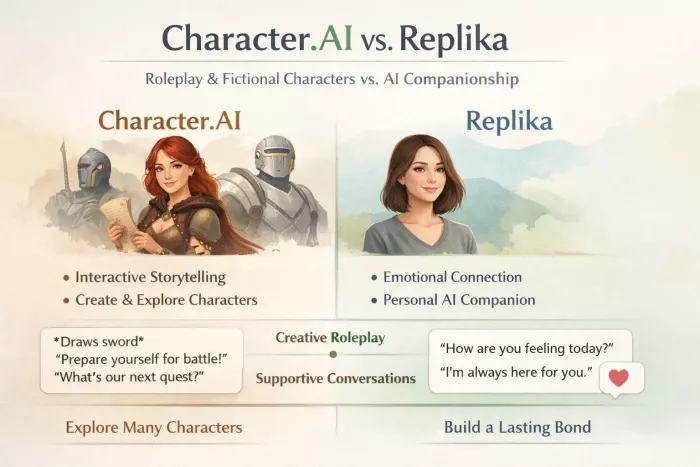
AI chat platforms have evolved far beyond simple question-and-answer b...

Platform OverviewCutout.pro is an AI-powered image editing platform de...

AI chat platforms designed for roleplay and interactive conversations...
Goth AI is a character-based AI chat platform designed for dark, gothi...

Discussion