ChatGPT’s new app integrations turn the assistant into a single interface for food delivery, travel, design, learning, shopping, rides, and more, so you can act inside your favorite apps without ever leaving the chat. Instead of jumping between tabs and apps, you connect services like DoorDash, Spotify, Uber, Canva, Booking.com, and others once, then control them with natural-language prompts.
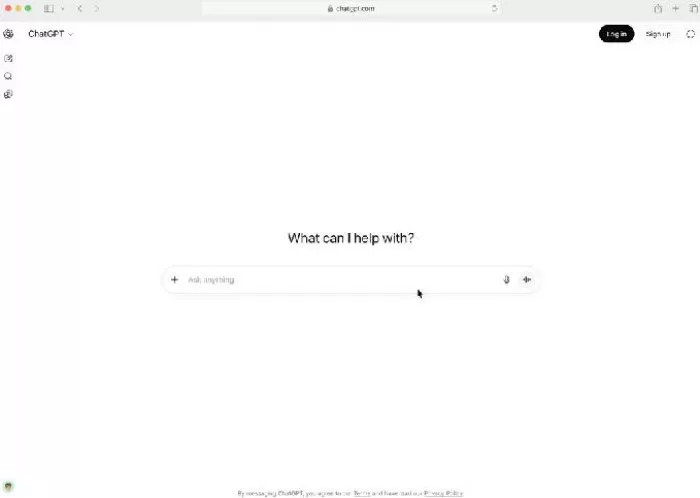
To use integrations, you first need to link your third‑party accounts to ChatGPT. After logging in, you can simply type the name of an app at the start of your prompt (for example, “Spotify:” or “DoorDash:”) and ChatGPT will walk you through signing in and granting access.
If you prefer to configure everything in one place, open Settings , Apps and Connectors to see a catalog of supported apps, choose the ones you want, and complete the sign‑in flow for each service from there. You can disconnect any integration later from the same Settings area, which immediately stops ChatGPT from using that app’s data.
Because these integrations rely on your personal accounts, they also rely on data sharing. For example, connecting Spotify allows ChatGPT to see your playlists and listening history so it can generate better recommendations, while DoorDash or Uber need location and order or trip data to function. Before approving any integration, it is wise to review the permission screens and decide whether the access requested matches your privacy comfort level.
On the transactional side, integrations help collapse planning and ordering into a single conversation. You describe the scenario, ChatGPT assembles the right mix of products or services, and you finalize within the partner app.
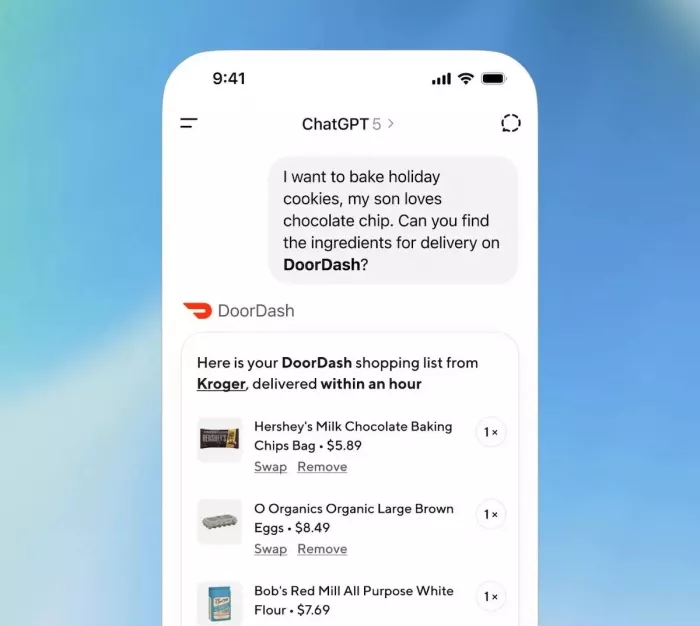
● DoorDash: You can request a full meal plan and have all required ingredients automatically added to your DoorDash cart for supported U.S. grocery partners such as Kroger, Safeway, Fairway Market, and Wegmans. After reviewing and tweaking the cart in DoorDash, you check out as usual, but with much less manual searching and list‑building.
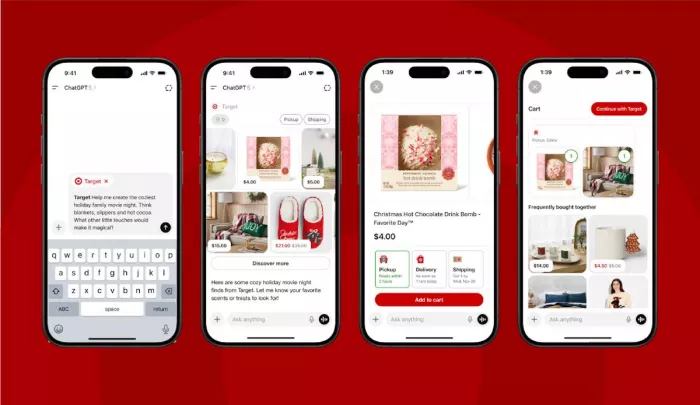
● Target: Ask for curated ideas like “movie night for four” or “gifts for a 10‑year‑old who loves science,” and the integration will assemble a shopping basket of available Target items you can purchase with your Target account. You then choose from same‑day Drive Up, in‑store pickup, or standard shipping, depending on availability.
● Uber and Uber Eats: Plan a ride in a new city by setting up your trip inside ChatGPT, choosing between options like UberX, UberXL, Comfort, and Black, then finishing the request and payment in the Uber app. Currently it is only available in USA. In the U.S., you can also browse restaurants and menus via Uber Eats in ChatGPT, then complete payment in the Uber Eats app once your order is ready.
These flows show the emerging pattern: ChatGPT handles discovery, configuration, and personalization, while the partner app still controls payments, logistics, and post‑order management.
Integrations are not limited to logistics; they also accelerate creative and knowledge work. Visual design, product planning, and entertainment discovery all become conversational.
● Canva: After connecting your account, you can ask ChatGPT to design assets like “a 16:9 slide deck about our Q4 roadmap” or “a fun poster for a dog‑walking business,” specifying colors, fonts, formats (Instagram posts, stories), and exact dimensions. The generated drafts will rarely be perfect, but they provide a fast starting point you can refine directly in Canva’s editor.
● Figma: Use prompts such as “Create a user‑flow diagram for our onboarding journey” or upload product documents and ask for a visual roadmap with milestones, deliverables, and deadlines. This turns rough requirements and brainstorms into diagrams and structured plans, ready for team collaboration.
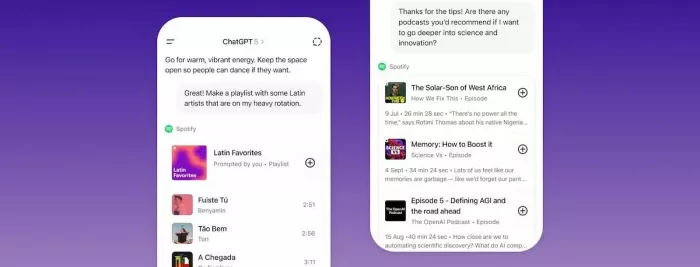
● Spotify: Ask for mood‑ or artist‑based playlists, like “a focus playlist based on my favorite band” or “fresh upbeat tracks for a Monday morning commute,” and have them appear in your Spotify app. ChatGPT can also add or remove items from your library and surface new artists, playlists, audiobooks, and podcasts tailored to your tastes.
For content creators or product teams, this effectively makes ChatGPT a front‑end for rapid ideation, which then flows into the richer editing tools of Canva or Figma.
Once your accounts are connected, you can treat ChatGPT like an intelligent controller that understands context and intent across multiple apps. Instead of thinking in terms of forms and filters, you describe the outcome you want, and the assistant translates that into concrete actions within each service.
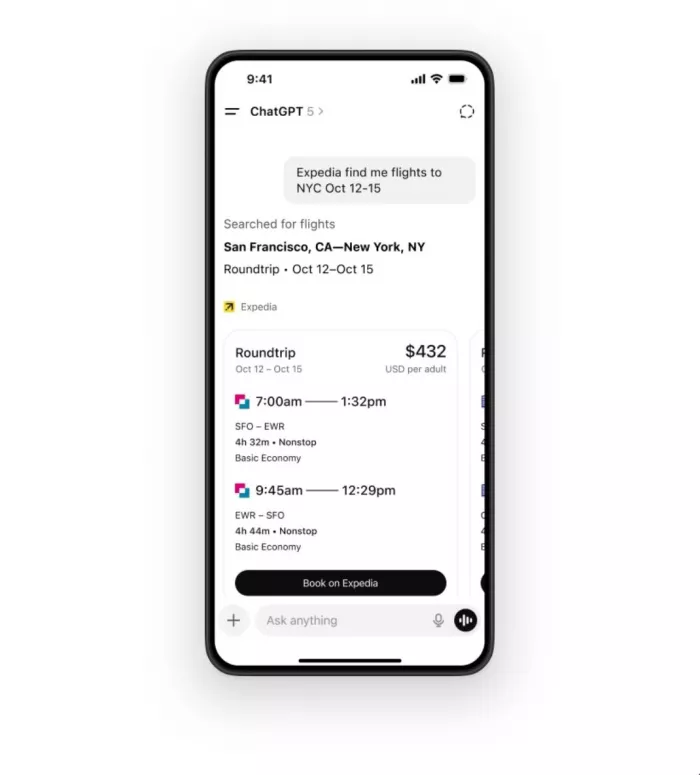
● Booking.com and Expedia: Ask for hotels and flights that match your dates, budget, party size, and constraints like “near public transport” or “only 4‑star hotels with breakfast included,” then click through to complete the booking on the travel site.
● Coursera: Request “intermediate‑level Python courses” and have ChatGPT compare options by rating, duration, and price, along with quick summaries of what each course covers before you enroll.
● Zillow: Describe your ideal home (budget, bedrooms, preferred neighborhoods) and get filtered listings you can refine with additional constraints in conversation.
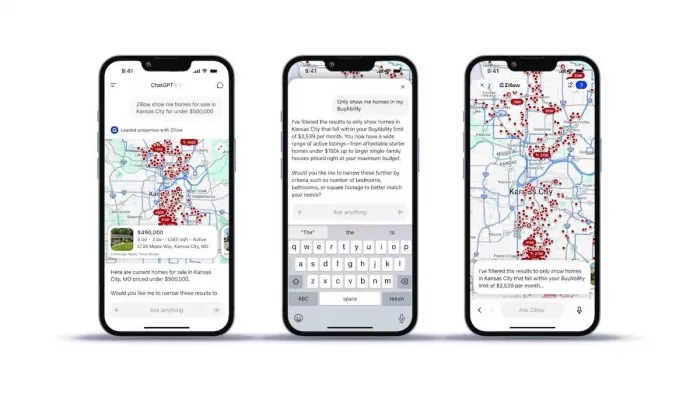
In each of these flows, ChatGPT does the heavy lifting of search, comparison, and shortlisting, while the final transaction (booking, enrolling, or contacting an agent) happens on the provider’s platform.
Today, ChatGPT’s consumer app integrations are still constrained by geography and partner coverage. The rollout is limited to the U.S. and Canada for now, with users in Europe and the U.K. not yet able to access these features. Some integrations also have functional limits: for example, Uber currently supports only on‑demand rides via ChatGPT, not advance bookings.
OpenAI has already signaled that more partners are on the way, including OpenTable for restaurant reservations, PayPal for payments, and Walmart for extended retail use cases, with launches expected in 2026. As the ecosystem grows, ChatGPT is evolving from a question‑answering tool into an orchestration layer that coordinates actions across travel, commerce, media, education, and housing.
For power users, the next step is to deliberately curate a small stack of high‑impact integrations such as DoorDash for groceries, Spotify for audio, Uber for mobility, Canva or Figma for visuals, and one travel partner and then design prompts that turn ChatGPT into a personal operating system for daily life.
AI-powered image editing has moved far beyond simple filters. Today’s...
AI chat platforms built around fictional characters and roleplay conve...
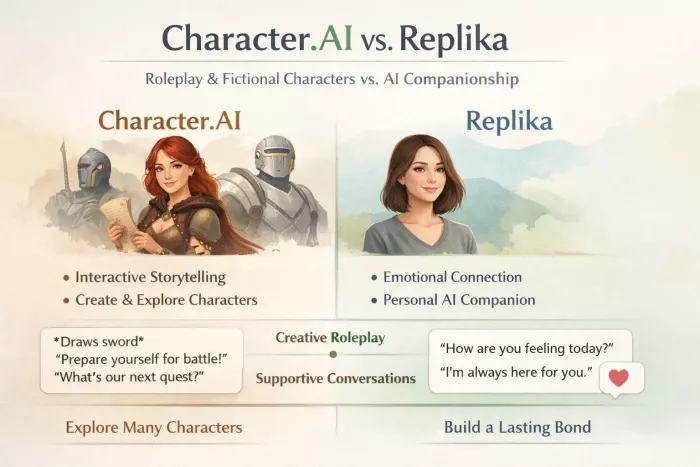
AI chat platforms have evolved far beyond simple question-and-answer b...
Platform OverviewCutout.pro is an AI-powered image editing platform de...
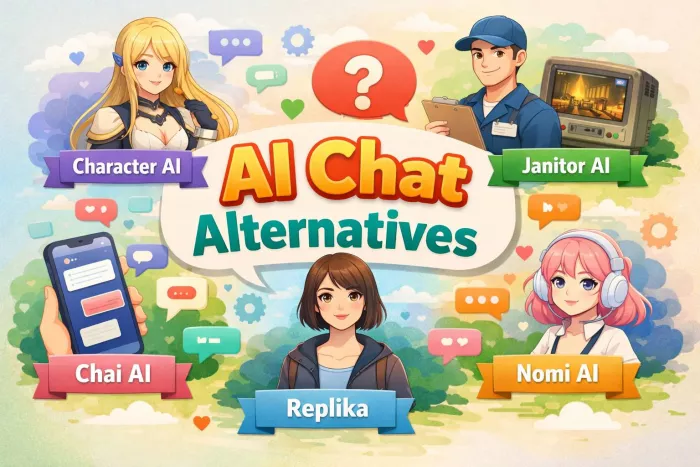
AI chat platforms designed for roleplay and interactive conversations...
Goth AI is a character-based AI chat platform designed for dark, gothi...

Discussion