Let’s be real: most “how to start an essay” advice is basically “just brainstorm” and then leaves you alone with a blinking cursor like it’s a horror movie.
Writing centers do teach legit prewriting moves—brainstorming, clustering/mind maps, freewriting/looping, and asking strong questions—but most articles explain them like you have unlimited time and zero stress.
Meanwhile, procrastination is ridiculously common in college. A well-known meta-analysis review by Piers Steel cites estimates that 80–95% of college students procrastinate at least some of the time. So if starting feels hard, you’re not broken—you’re in the majority.
Also: anxiety is a thing. An umbrella review found the median prevalence of anxiety among college/university students was 32% (across many reviews). That “I can’t start” feeling isn’t always laziness; sometimes it’s your nervous system tapping out.
This article is the practical version: 5 methods, each with clear steps and a quick example—so you can start fast, even if your brain is currently buffering.
| Method | Time | What you do | Best for | What you end with |
| Question Storming | 10 min | Write 15+ questions, no answers | Analytical essays | A shortlist of “actually interesting” angles |
| Opposite Argument (Steelman) | 8–12 min | Defend the view you disagree with | Persuasive essays | Strong counterargument + clearer thesis |
| Personal Connection Bridge | 7–10 min | Link topic → real-life moment/observation | Reflective essays | A specific story + theme |
| Source Mining | 15–20 min | Pull 3 quotes, react to each | Research papers | Evidence + your commentary |
| Time Constraint Draft (10-min sprint) | 10 min | Write without editing | Overcoming blocks | A messy first page (aka momentum) |
(Yes, the table is your permission slip to stop overthinking.)
This is the fastest way to go from blank to options.
Rules
Do it (10 minutes)
Question stems when your brain goes empty
Example (Topic: Social media and teens)
Now pick one question that feels spicy and doable. That’s your starting angle.
Quick note: research on writer’s block in university students has found students often feel most “blocked” in planning and drafting stages—so starting with questions (not perfect sentences) makes sense.

If you’re writing persuasive, your essay gets 10x better when you stop pretending the other side is dumb.
Do it (8–12 minutes)
Mini-template
Why it works
Reflective essays die when they stay vague. They win when they’re specific.
Do it (7–10 minutes)
Bridge formula
Small moment → what it revealed → bigger theme
Example (Topic: AI in school)
If you can name the place + time + detail (cafeteria, 2 a.m., “my Chrome had 27 tabs”), you’re already writing like a real human.
This is for research papers when you have readings/articles but no clue what to say.
Do it (15–20 minutes)
○ What it means
○ Why it matters
○ What you question / agree with / connect
Mini-template
After 3 quotes, you usually have:
Congrats, that’s an essay direction.
Writing centers literally teach “generating ideas” by reacting to details, questions, and connections like these—because ideas show up after you start handling material.
This one is pure anti-perfectionism.
Also, timeboxing / structured work+break methods (like Pomodoro-style approaches) are commonly recommended for maintaining momentum, and research has examined how structured break-taking can affect study experience and task completion.
Do it (10 minutes)
Non-negotiable rule: no backspace wars. Typos can live.
When the timer ends, highlight 2 sentences that are usable. Build from those.
If you do nothing else today, do this. You can’t edit a blank page.
If your deadline is basically breathing down your neck:
At the end you’ll have: a direction, a rough page, and something to organize.
You don’t start an essay by having the perfect idea.
You start an essay by creating material.
Given how common procrastination is among students (again: estimates up to 80–95%), designing a “start fast” system isn’t extra—it’s survival.
Pick one method. Set the timer. Make the page less empty.
That’s the whole game.

AI-powered image editing has moved far beyond simple filters. Today’s...
AI chat platforms built around fictional characters and roleplay conve...
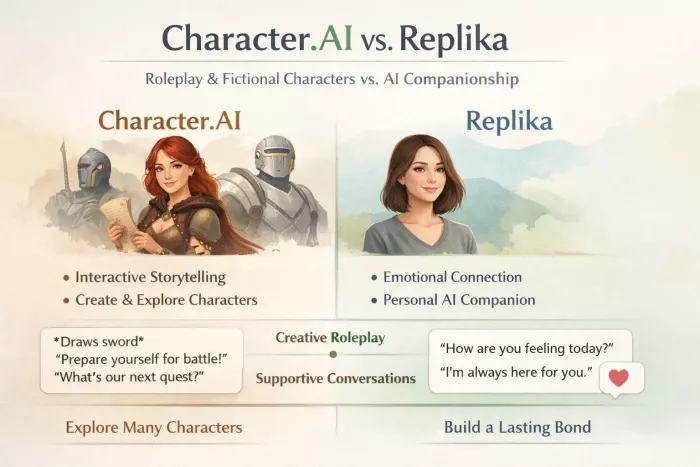
AI chat platforms have evolved far beyond simple question-and-answer b...
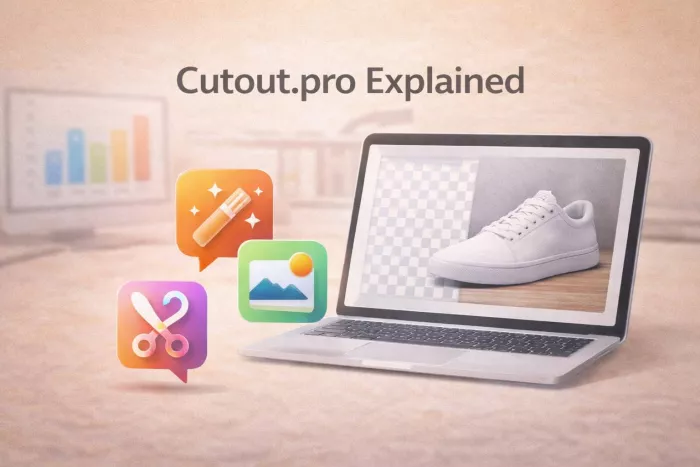
Platform OverviewCutout.pro is an AI-powered image editing platform de...

AI chat platforms designed for roleplay and interactive conversations...
Goth AI is a character-based AI chat platform designed for dark, gothi...

Discussion