“College dropout” has quietly become one of the most coveted lines in a startup founder’s bio, even as data continues to show that most successful founders still hold bachelor’s or graduate degrees. Iconic cases like Steve Jobs, Bill Gates and Mark Zuckerberg created the archetype, but the real resurgence of the dropout credential is tightly tied to the current AI boom.
The shift is especially visible at Y Combinator–style demo days, where more founders now highlight “dropout from college/grad school/high school” in their one‑minute pitches, using it as a signal of conviction and willingness to bet everything on a company. Katie Jacobs Stanton, founder and general partner at Moxxie Ventures, describes being a dropout as “a kind of credential in itself,” arguing that it reflects deep commitment and is currently perceived as positive inside much of the venture ecosystem.
At the same time, many of the most prominent AI founders are still degree‑holders: Cursor CEO Michael Truell graduated from MIT, while Cognition co‑founder Scott Wu graduated from Harvard, reinforcing that traditional educational pathways remain common at the top of the market. Yet a growing crop of young entrepreneurs fear that staying to graduate means missing the crucial AI building window, echoing the calculation voiced by Phosphor Capital founder Kulveer Taggar: “I can finish my degree, or I can just start building.”
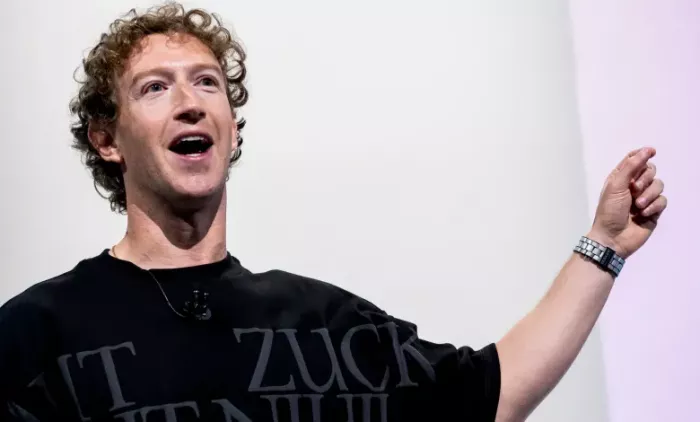
That fear has led to extreme decisions. One professor at an elite university recently recounted a student who walked away from his degree in the final semester, convinced that having a diploma would hurt his odds of getting funded by making him seem less “all‑in.” Some investors, however, push back on the idea that the dropout label is inherently superior: Yuri Sagalov of General Catalyst notes that for founders who leave late in their programs, VCs typically view graduates and non‑graduates similarly and still see value in the university’s network and brand, even without a diploma.
Other investors remain openly skeptical of the dropout craze. Wesley Chan, co‑founder of FPV Ventures, says he is less eager to back very young founders because he prioritizes “wisdom,” which he believes is more often found in older entrepreneurs with scars and experience rather than in fresh college leavers. The new reality is nuanced: dropping out may have become a fashionable credential in pitch culture, but investors still quietly weigh networks, maturity and execution far more heavily than the absence of a degree.

AI-powered image editing has moved far beyond simple filters. Today’s...

AI chat platforms built around fictional characters and roleplay conve...
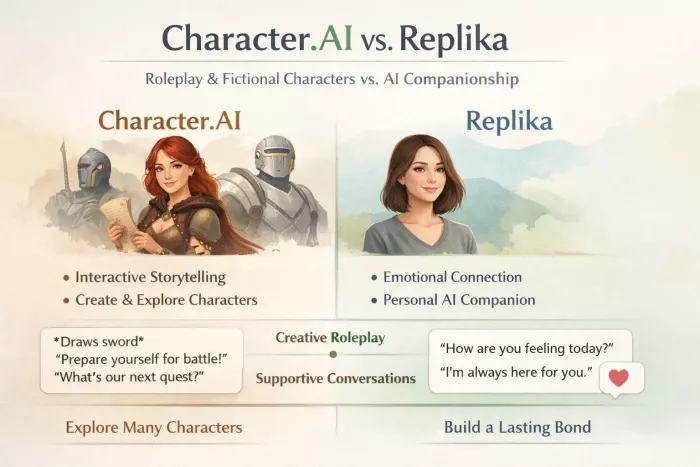
AI chat platforms have evolved far beyond simple question-and-answer b...

Platform OverviewCutout.pro is an AI-powered image editing platform de...

AI chat platforms designed for roleplay and interactive conversations...
Goth AI is a character-based AI chat platform designed for dark, gothi...

Discussion