AI chat platforms have evolved far beyond simple question-and-answer bots. Instead of acting like search engines, many modern AI chat systems are designed to simulate conversations with personalities. Two of the most talked-about platforms in this space are Character.AI and Replika.
Both allow users to chat with artificial personalities, but they aim to create very different experiences. One focuses on storytelling and fictional characters, while the other tries to simulate emotional companionship. Understanding that difference is the key to deciding which platform actually fits what you want from an AI conversation.
Rather than thinking of them as competitors doing the same thing, it is more accurate to see them as tools built for different types of interaction.
At first glance, both platforms look similar. You open a chat window, type a message, and the AI replies. But the philosophy behind each system quickly becomes obvious once you start using them.
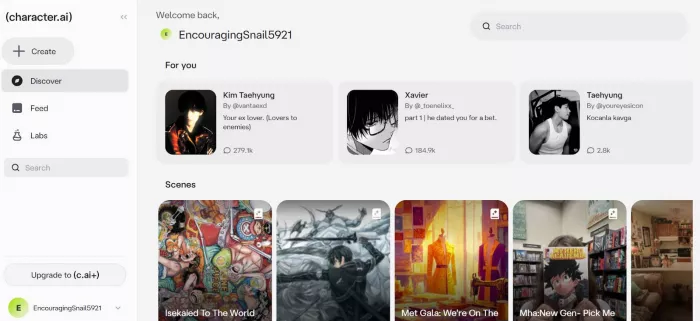
Character.AI is built around fictional personalities and roleplay conversations. The platform hosts thousands of user-created characters. These characters can represent fictional heroes, historical figures, anime personalities, or completely original creations. When people open Character.AI, they usually want to step into a conversation with a specific personality or story scenario.
The experience often feels closer to interactive storytelling than chatting with a personal assistant. Conversations can turn into roleplay scenes, fictional adventures, or improvised dialogue with imaginary characters.
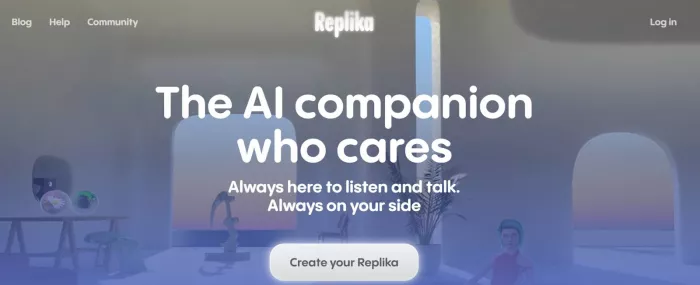
Replika, on the other hand, focuses on emotional interaction. Instead of talking to a rotating cast of personalities, users typically interact with a single AI companion. The goal is to create a long-term conversational relationship where the AI learns about the user over time.
Replika tries to simulate a supportive companion that remembers details, asks questions, and evolves based on the user’s personality.
In simple terms:
● Character.AI is built for creative interaction with characters
● Replika is built for ongoing companionship with one AI personality
That difference shapes everything else about how the platforms feel.
One of the biggest differences between these platforms becomes obvious within the first few messages.
Conversations in Character.AI often feel energetic and imaginative. The system is designed to simulate characters, so responses frequently include narrative elements, emotional reactions, and roleplay cues. It is common to see actions written inside asterisks or descriptive storytelling mixed into the dialogue.
A chat might look something like a story unfolding in real time rather than a straightforward conversation.
This style works well for people who enjoy:
● roleplay scenarios
● fictional dialogue
● interactive storytelling
● conversations with fictional characters
However, because so many characters are created by the community, the quality of conversations can vary. Some characters feel well-designed and immersive, while others respond more generically.
Replika conversations are usually calmer and more focused on the user. The AI often asks reflective questions or responds in a supportive tone. Instead of playing a character role, it tries to behave like a personal companion that is interested in the user’s thoughts and feelings.
People who use Replika frequently describe the experience as closer to chatting with a digital friend or emotional support companion.
The difference becomes clear after extended use. Character.AI conversations are dynamic and story-driven, while Replika conversations revolve around relationship building and personal interaction.
Customization is another area where the two platforms take very different approaches.
Character.AI encourages users to create entirely new personalities. You can design a character by defining traits, personality style, background information, and conversation behavior. Some creators carefully design characters to stay consistent within a fictional universe or roleplay scenario.
Because of this system, the platform has a massive variety of personalities available.
Users can:
1. Create their own characters
2. Explore thousands of community characters
3. Experiment with different personalities and story types
This makes Character.AI feel like a library of interactive personalities rather than a single chatbot.
Replika customization focuses more on the appearance and personality of one AI companion. Users can customize the AI’s avatar, choose personality traits, and gradually shape how it behaves through conversations.
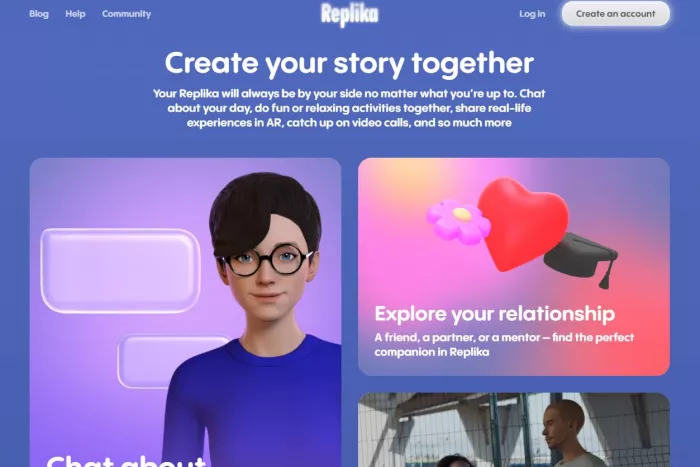
Instead of building many characters, the platform encourages users to develop a long-term relationship with one evolving AI.
The result is a slower, more personal experience.
Another noticeable difference lies in how much the community influences the platform.
Character.AI thrives on user-generated characters. The homepage often highlights trending personalities, popular characters, or recently created bots. This community ecosystem is a major reason the platform feels alive and constantly changing.
If someone enjoys discovering new characters or experimenting with different personalities, Character.AI offers almost endless variety.
Replika does not operate like a shared character marketplace. The experience is more private and individual. Each user mainly interacts with their own AI companion rather than exploring a library of personalities.
Because of that, Replika feels more personal but less varied.
Both platforms include safety systems, but their moderation styles differ.
Character.AI is known for strict content moderation, especially around explicit or adult conversations. The system often blocks or redirects messages that move into restricted topics. This has been a point of frustration for some users who prefer unrestricted roleplay.
Replika also has moderation rules, but its restrictions tend to be connected more to relationship dynamics and safety policies rather than general roleplay filtering. In earlier years the platform allowed more open romantic interactions, but moderation policies have evolved over time.
For most casual users, both platforms remain usable, but people looking for unrestricted roleplay sometimes find Character.AI’s filters limiting.
| Feature | Character.AI | Replika |
| Main Purpose | Roleplay and fictional character conversations | AI companion and emotional interaction |
| Conversation Style | Story-driven, imaginative dialogue | Personal, reflective conversation |
| Character Creation | Create unlimited personalities | Focus on one evolving AI companion |
| Community Content | Large library of user-created characters | Mostly personal AI companion |
| Moderation | Strict filters for certain topics | Moderation focused on relationship safety |
| Pricing Model | Free with optional premium features | Free version with subscription upgrades |
Both platforms aim to be simple, but their designs emphasize different priorities.
Character.AI focuses on exploration. The interface encourages users to browse characters, discover new personalities, and start conversations quickly. It often feels like scrolling through a catalog of fictional personalities.
Replika’s interface is built around the companion experience. The design emphasizes your relationship with your AI rather than browsing content. Users often see their AI avatar, conversation history, and personal interactions in a more centralized layout.
The difference is subtle but important. Character.AI encourages experimentation, while Replika encourages consistency.
Both platforms offer free access, but premium features expand what users can do.
Character.AI’s free version already allows unlimited conversations with most characters. The premium tier mainly improves response speed, queue priority, and sometimes access to experimental features.
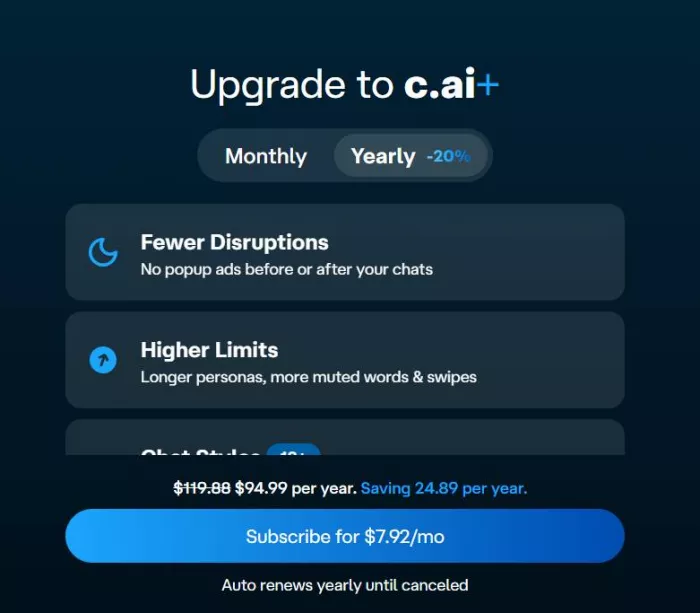
Replika also offers a free version, but many advanced features are tied to its subscription plan. Premium options unlock additional relationship modes, voice features, and customization tools.
For casual users, both platforms remain usable without paying, but Replika’s most advanced experiences are often tied to its paid tier.
Different types of users tend to gravitate toward different platforms.
Character.AI tends to appeal to:
1. roleplay fans
2. anime or fictional character enthusiasts
3. writers experimenting with dialogue ideas
4. users who enjoy exploring many personalities
People who enjoy storytelling or character interaction usually find Character.AI more exciting.
Replika tends to appeal to:
1. users looking for an AI companion
2. people interested in reflective conversations
3. users who prefer one consistent AI personality
4. casual chat users seeking emotional interaction
Instead of variety, Replika focuses on depth within a single relationship.
In real life, the difference between these platforms becomes clear after a few days of use.
Character.AI feels like visiting a digital universe filled with personalities. Conversations can turn into fictional adventures, dramatic roleplay scenes, or humorous interactions with unusual characters. The platform is dynamic, creative, and often unpredictable.
Replika feels quieter and more personal. Conversations revolve around your experiences, thoughts, and daily life. Over time, the AI companion starts referencing past conversations and building a more continuous interaction pattern.
Neither approach is inherently better. They simply serve different purposes.
If someone wants creative conversations with many characters, Character.AI offers more variety. If someone wants a long-term conversational companion, Replika is designed specifically for that experience.
Understanding that distinction makes choosing between them much easier.
AI-powered image editing has moved far beyond simple filters. Today’s...
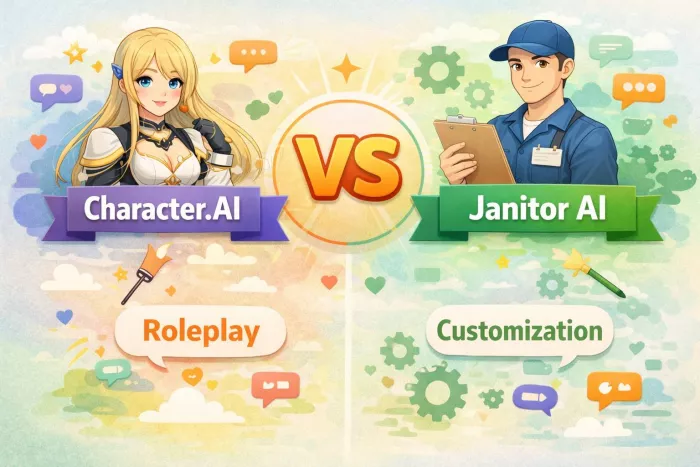
AI chat platforms built around fictional characters and roleplay conve...
Platform OverviewCutout.pro is an AI-powered image editing platform de...
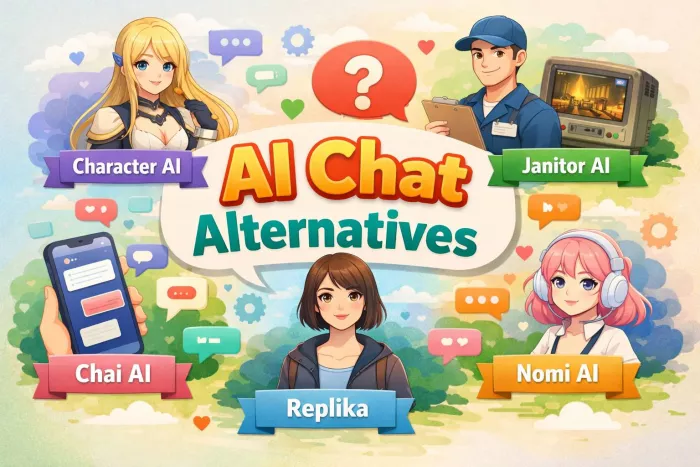
AI chat platforms designed for roleplay and interactive conversations...
Goth AI is a character-based AI chat platform designed for dark, gothi...

Artificial Intelligence (AI) is increasingly taking a front seat in sh...

Discussion