AI avatar video generation has quickly moved from experimental tech into a practical production tool. Platforms like D-ID helped popularize the concept of turning text or images into talking-head videos. The platform is widely used for explainer videos, marketing clips, and automated presentations because it can animate still images and generate speech quickly.
Where D-ID succeeds is speed and accessibility. Users can create a talking avatar video with very little setup, and the API makes it useful for automation workflows. But the platform also shows limitations. Avatar realism can feel slightly synthetic, customization options are limited, and editing flexibility is narrower than some competing tools. For teams producing high-volume marketing videos or corporate training content, these constraints often lead to searching for better D-ID alternatives.
The tools below represent some of the most capable platforms competing in this category today.
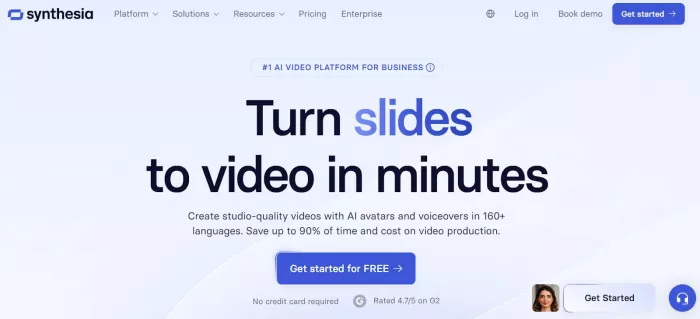
Synthesia is often considered the most mature enterprise competitor to D-ID. Instead of focusing mainly on animated faces, Synthesia works more like a structured AI video production studio. Users write a script, select an avatar, choose a layout, and the system generates a complete presentation-style video.(https://www.synthesia.io/)
Compared with D-ID, Synthesia produces more polished and professional-looking results. The avatars tend to appear more stable and realistic, particularly in corporate contexts. However, it sacrifices some flexibility. Videos are usually presentation-driven rather than experimental or creative.
1. Pros
a. very polished avatar output
b. strong multilingual voice support
2. Cons
a. less flexible editing compared to video editors
b. Higher pricing for heavy usage
3. Pricing
a. plans generally start around $22–$30 per month
4. Best fit
a. corporate training videos
b. product demos and internal communication
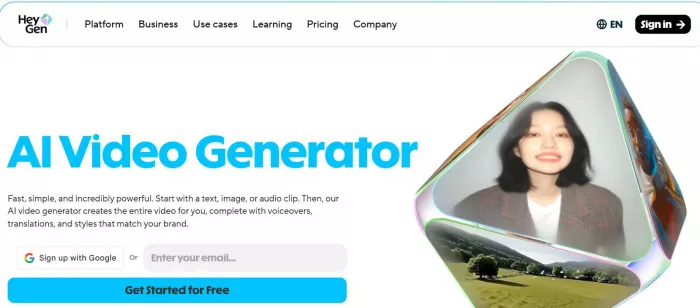
HeyGen has grown rapidly because it balances production quality with flexibility. While D-ID focuses heavily on animating photos, HeyGen provides a more complete environment for creating AI-generated videos.(https://www.heygen.com/)
The platform supports custom avatars, multilingual voice generation, and even automatic video translation. In many comparisons, HeyGen produces more natural lip synchronization than D-ID. However, it also requires slightly more setup because the editing workflow is more structured.
1. Pros
a. strong lip sync realism
b. powerful translation features
2. Cons
a. interface slightly more complex than D-ID
b. Subscription costs increase quickly with scale
3. Pricing
a. Plans start around $29 per month
4. Best fit
a. marketing teams
b. global content creation
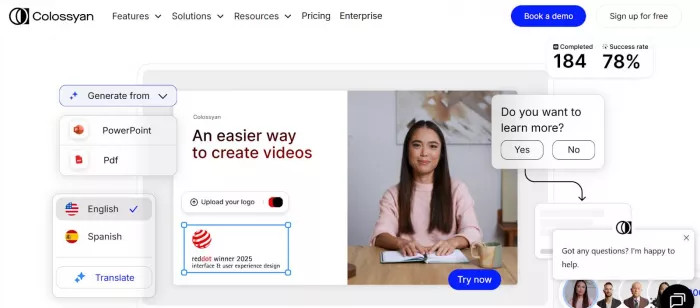
Colossyan targets learning and development teams rather than general content creators. The platform specializes in producing structured training videos using AI presenters.(https://www.colossyan.com/)
Compared with D-ID, Colossyan offers better tools for building multi-scene educational videos. Slides, narration, and structured lessons can be integrated easily. However, the avatars can feel less expressive, and the platform focuses more on training workflows than creative storytelling.
1. Pros
a. excellent for training and onboarding videos
b. structured editing workflow
2. Cons
a. avatars slightly less expressive
b. limited creative video styles
3. Pricing
a. Plans typically start around $28 per month
4. Best fit
a. corporate learning teams
b. internal training content
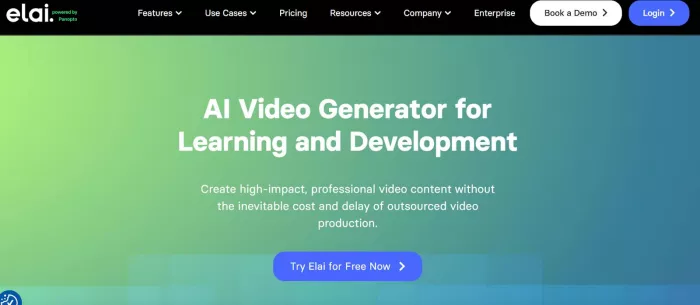
Elai.io focuses on converting written content into video presentations. Instead of only generating talking avatars, the platform emphasizes structured videos that combine slides, narration, and AI presenters.(https://elai.io/)
In comparison with D-ID, Elai is better suited for transforming blog posts or scripts into videos. However, avatar realism is not always as strong as competitors like Synthesia or HeyGen.
1. Pros
a. efficient script-to-video conversion
b. good for documentation and tutorials
2. Cons
a. avatars less realistic
b. editing tools somewhat limited
3. Pricing
a. Plans start around $23 per month
4. Best fit
a. educators
b. product documentation videos
DeepBrain AI focuses on extremely realistic digital presenters, often used in broadcast or enterprise environments. The platform can generate videos featuring AI anchors that resemble television news presenters.(https://aihuman.aistudios.com/)
Compared with D-ID, DeepBrain AI delivers stronger realism but requires more structured production workflows. It is less oriented toward casual creators and more toward professional environments.
1. Pros
a. very realistic digital presenters
b. strong enterprise applications
2. Cons
a. higher cost
b. less accessible for beginners
3. Pricing
a. enterprise pricing tiers
4. Best fit
a. broadcasting
b. enterprise video automation
| Platform | Avatar Realism | Customization Level | Language & Voice Support | API & Automation | Typical Cost |
| D-ID | Moderate realism. Good for quick talking-head animations but facial motion can sometimes look slightly synthetic. | Moderate. Users can upload images and generate talking avatars, but scene editing options are limited. | Strong multilingual support with multiple voice options. Suitable for global content. | Yes. One of D-ID’s strengths is its flexible API used for automation and developer workflows. | Medium. Pricing increases with video generation volume. |
| Synthesia | High realism. Avatars are stable and presentation-ready, especially for corporate videos. | Moderate customization through templates, slides, and avatars. Less experimental editing than some competitors. | Very strong language coverage with many voices and translation support. | Yes. API access and enterprise integrations are available. | Medium to high. Higher tiers needed for frequent production. |
| HeyGen | High realism with strong lip-sync and natural facial movement compared to many platforms. | High. Supports custom avatars, video translation, and more flexible scene editing. | Very strong multilingual capabilities with voice cloning and translation tools. | Yes. API available for automation and integration. | Medium. Pricing grows with advanced features and heavy usage. |
| Colossyan | Moderate realism. Avatars are clear but less expressive than some competitors. | Moderate. Focused on structured training videos rather than creative editing. | Strong language support with narration options for global learning content. | Limited compared to competitors. More focused on standalone video production. | Medium. Pricing designed for training and corporate content teams. |
| Elai.io | Moderate realism. Avatars work well for presentations but are less lifelike than top competitors. | Moderate customization through slides, templates, and presentation layouts. | Strong language and voice options for educational or tutorial content. | Yes. API available for automation and integration workflows. | Medium. Affordable for small teams but scales with usage. |
| Hour One | Very high realism. Avatars are designed to resemble real presenters and feel closer to studio-quality output. | Moderate customization. Focuses on professional presenters rather than experimental editing. | Strong multilingual support suitable for enterprise communications. | Yes. Enterprise integrations and automation features available. | High. Pricing generally targets enterprise users. |
| DeepBrain AI | Very high realism. Digital presenters resemble broadcast-style anchors or virtual hosts. | High customization with realistic digital humans and presentation environments. | Strong multilingual voice generation suitable for global media use. | Yes. API and enterprise integration options are available. | High. Typically priced for enterprise or broadcast use cases. |
The best platform depends less on brand popularity and more on your workflow.
If you need the most polished enterprise videos, Synthesia is often the safest choice. The platform is stable, predictable, and widely used in corporate environments.
If realism and multilingual marketing videos matter more, HeyGen usually provides the best balance between quality and flexibility.
For structured learning content, Colossyan and Elai tend to be more practical because they integrate slides and lesson-style workflows.
Organizations that want the most realistic digital presenters may prefer Hour One or DeepBrain AI, though these platforms are often priced for enterprise budgets.
In practical terms, the best D-ID alternatives fall into three categories:
high-polish enterprise tools (Synthesia), flexible marketing platforms (HeyGen), and training-focused systems (Colossyan and Elai). Choosing the right one mostly depends on whether your priority is realism, speed, scalability, or production workflow.

A U.S. federal appeals court has declined to temporarily block the Pen...
What "Safe" and "Legit" Actually Mean HereMost reviews answer neither...

Intel has joined Elon Musk’s ambitious “Terafab” semiconductor initiat...

Where automation actually saves time in real workflowsInstead of think...

April 7, 2026Samsung Electronics said Tuesday it expects first-quarter...
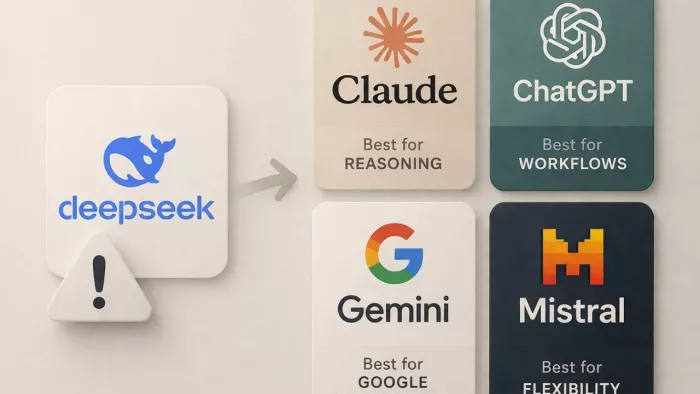
DeepSeek AI usually stops meeting expectations at a very specific poin...

Discussion