April 7, 2026
Samsung Electronics said Tuesday it expects first-quarter operating profit to surge nearly eightfold from a year earlier, driven by robust demand for artificial intelligence chips that has lifted global memory prices and accelerated a recovery in the semiconductor sector.
The South Korean technology giant estimated operating profit of around 6.6 trillion won ($4.9 billion) for the January–March quarter, compared with approximately 640 billion won in the same period last year. The sharp increase marks one of the company’s strongest earnings rebounds in recent years, following a prolonged slump caused by oversupply and weak demand in the global chip market.
The turnaround has been largely fueled by rising demand for advanced memory chips, particularly DRAM and high-bandwidth memory, which are essential components for AI workloads. As companies across the United States, China, and Europe continue to expand investments in AI infrastructure, demand for these high-performance chips has outpaced supply, allowing manufacturers to increase prices after a multi-year decline.
Samsung, the world’s largest memory chip maker, has been a key beneficiary of this shift. The company had faced significant pressure over the past two years as falling memory prices and reduced consumer electronics demand weighed heavily on its semiconductor division. The latest earnings guidance suggests that those conditions are reversing, with AI emerging as the primary growth driver rather than traditional markets such as smartphones and PCs.
Investor sentiment reflected the improved outlook, with Samsung shares rising in early trading following the announcement. Market analysts view the company’s performance as an early indicator of a broader recovery in the semiconductor industry, which has been gradually stabilizing as inventory levels normalize and demand strengthens in data center and enterprise segments.
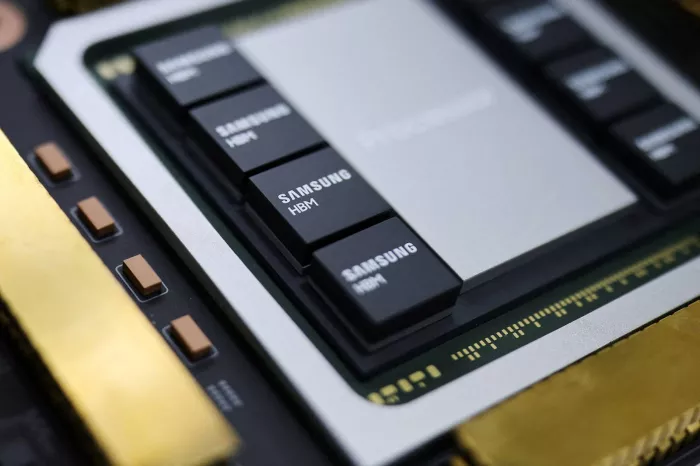
The growing importance of AI-related demand is also changing the structure of the memory market. Unlike previous cycles driven by consumer electronics, AI applications require significantly larger volumes of high-speed, high-capacity memory. This not only increases total demand but also improves margins, as advanced memory products command higher prices than standard chips.
Industry analysts say this shift could support a longer and more stable upcycle for memory manufacturers if current investment trends continue. Major technology companies are expected to sustain high levels of spending on AI infrastructure through 2026, driven by competition in large language models, cloud computing, and enterprise automation.
However, challenges remain. Samsung continues to face competition from other global chipmakers in both memory and advanced semiconductor technologies. In addition, geopolitical tensions and supply chain uncertainties could still affect production and global trade flows, particularly in regions critical to semiconductor manufacturing.
Despite these risks, Samsung’s outlook points to a significant inflection point for the industry. The company is expected to release detailed earnings later this month, which will provide further insight into its semiconductor performance and whether the current momentum in AI-driven demand can be sustained through the rest of the year.
For now, the company’s forecast underscores a broader shift in the global chip market, where growth is increasingly tied to AI infrastructure rather than consumer-driven demand cycles.

What "Safe" and "Legit" Actually Mean HereMost reviews answer neither...
Intel has joined Elon Musk’s ambitious “Terafab” semiconductor initiat...

Where automation actually saves time in real workflowsInstead of think...

DeepSeek AI usually stops meeting expectations at a very specific poin...

For the past few months, a name kept appearing in my inbox and social...

Anthropic is tightening how its AI coding platform is billed, confirmi...

Discussion