AI voice technology has quietly become one of the most powerful forces behind modern content creation. In 2026, text-to-speech (TTS) tools are no longer robotic or flat they sound natural, emotional, and surprisingly human. Creators use them to narrate YouTube videos, businesses deploy them in ads and AI voice agents, educators turn lessons into audio, and accessibility teams rely on them to make content inclusive for everyone.
What once required expensive voice actors and studios can now be done in minutes with AI. Below are seven of the best AI text-to-speech tools in 2026, explained in a clear, practical, and beginner-friendly way.
ElevenLabs is widely considered the gold standard for realistic AI voices. Its speech feels expressive, emotional, and human making it extremely popular with creators who care about quality. ElevenLabs
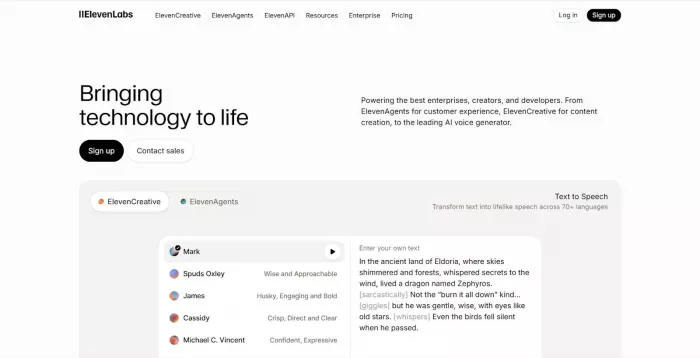
Instead of sounding like a machine reading text, ElevenLabs understands pacing, emphasis, and tone. This makes it ideal for storytelling, narration, and conversational content.
What makes it special
● Ultra-realistic voices with emotion and nuance
● Advanced voice cloning from short audio samples
● Excellent handling of long-form content like audiobooks
● Strong multilingual and accent support
Common use cases
● YouTube narrations and faceless channels
● Audiobooks and storytelling podcasts
● AI characters in games or apps
● Voiceovers for ads and social media
Pros
● Industry-leading realism
● Very natural pacing and tone
● Simple interface for beginners
Limitations
● Higher pricing for heavy usage
● Not focused on video editing or visuals
Pricing
● Free tier with limited characters
● Paid plans based on character usage and features
Play.ht is a flexible and powerful tool that balances voice quality, language support, and ease of use. It’s especially popular with bloggers, educators, and businesses that want to turn written content into audio. Play.ht
You can paste text, select a voice, adjust speed and tone, and export high-quality audio in seconds.
Standout features
● 900+ voices across dozens of languages
● Supports blogs, scripts, and long documents
● Clean dashboard for quick voice generation
● API access for developers and automation
Where it shines
● Turning blog posts into audio articles
● eLearning narration
● Corporate explainers and presentations
● Multilingual content creation
Pros
● Wide voice and language variety
● Easy learning curve
● Good balance between quality and affordability
Limitations
● Voices are natural but slightly less expressive than ElevenLabs
● Limited advanced emotional controls
Pricing
● Free trial available
● Subscription plans for individuals and teams
Murf AI is designed with businesses and professionals in mind. It focuses on clean, polished voiceovers that work well for presentations, training, and marketing content. Murf AI
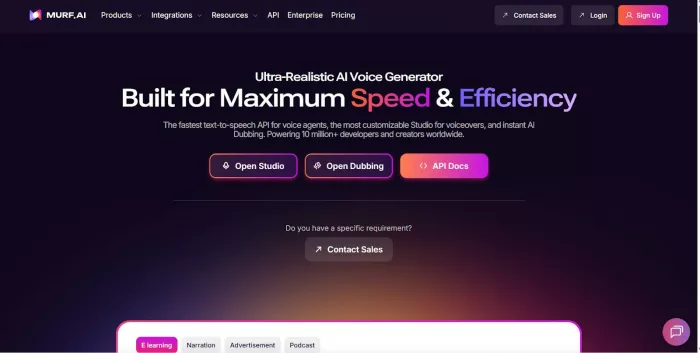
Rather than just reading text, Murf lets you fine-tune how the voice sounds pauses, emphasis, pitch, and speed.
Why professionals love Murf
● Studio-quality voices
● Precise control over pronunciation and timing
● Built-in voiceover editor
● Strong integration with presentations and videos
Ideal use cases
● Corporate training videos
● Product demos and explainer videos
● Marketing and sales presentations
● Internal communications
Pros
● Professional and consistent voice output
● Great editing and customization tools
● Reliable for commercial projects
Limitations
● Smaller voice library than some competitors
● Less playful or character-driven voices
Pricing
● Free plan with limitations
● Paid plans for creators, teams, and enterprises
WellSaid Labs focuses on enterprise-grade AI voices. The output sounds calm, confident, and professional perfect for brands that need a consistent voice identity. WellSaid Labs
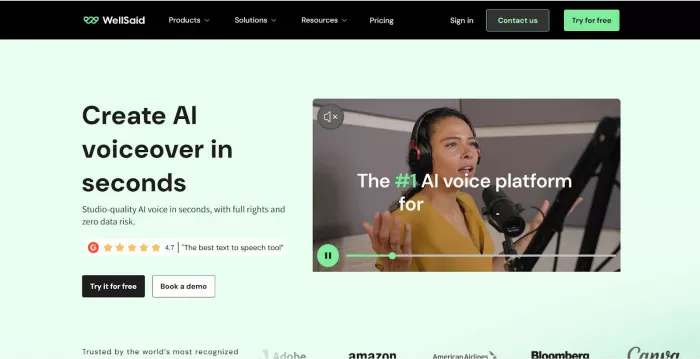
It’s commonly used by large organizations, startups, and learning platforms that want reliability and scale.
Key strengths
● Exceptionally clear and neutral voices
● Brand-safe and professional tone
● Team collaboration features
● High consistency across projects
Best use cases
● eLearning and online courses
● SaaS product tutorials
● Corporate training
● Brand narration at scale
Pros
● Highly polished, professional sound
● Built for teams and enterprises
● Strong reliability and support
Limitations
● More expensive than creator-focused tools
● Less expressive or emotional voices
Pricing
● No permanent free plan
● Paid subscriptions aimed at businesses
Descript is unique because it combines text-to-speech with full audio and video editing. You edit media the same way you edit a document by changing text. Descript
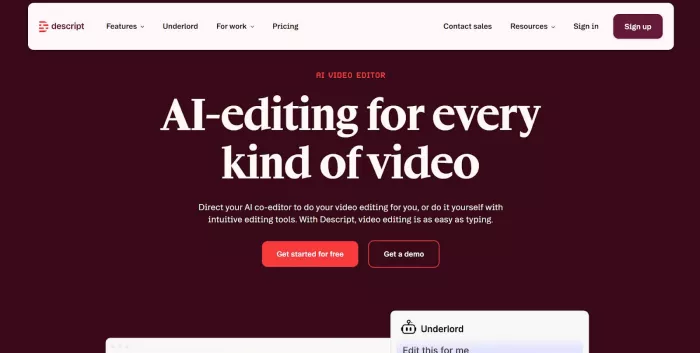
It also allows you to create AI versions of your own voice for quick fixes and re-recordings.
What makes Descript different
● Edit audio/video by editing text
● AI voice cloning for corrections
● Screen recording and podcast tools
● Great for content workflows
Perfect for
● Podcasts and interviews
● YouTube videos
● Course creators
● Content teams
Pros
● All-in-one content creation tool
● Saves huge amounts of editing time
● Natural-sounding voice overdubs
Limitations
● Not a pure TTS platform
● Voice quality is good, but not the most cinematic
Pricing
● Free plan available
● Paid plans unlock advanced AI features
Speechify is built primarily for listening rather than producing content. It converts text into audio so users can consume information faster and more easily. Speechify
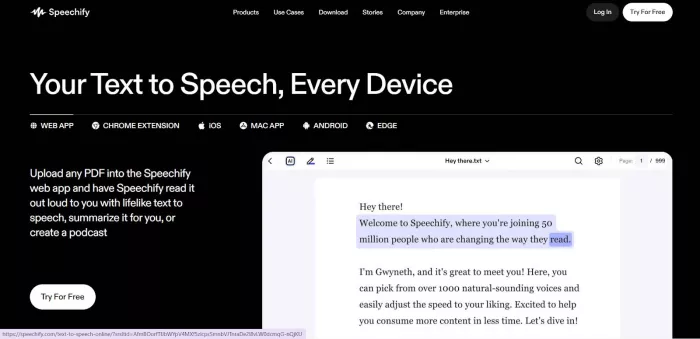
It’s widely used by students, professionals, and people with reading difficulties.
Core benefits
● Converts PDFs, emails, web pages, and books into audio
● Mobile and desktop support
● Natural voices with adjustable speed
● Strong accessibility focus
Use cases
● Studying and exam preparation
● Listening to articles on the go
● Accessibility for dyslexia or visual impairments
● Productivity and multitasking
Pros
● Extremely easy to use
● Great voice clarity
● Excellent mobile experience
Limitations
● Limited voice creation tools
● Not designed for professional voiceovers
Pricing
● Free version available
● Premium plan for advanced voices and speed
LOVO AI strikes a balance between creative voices and commercial usability. It’s especially popular with social media creators and ad teams. LOVO AI
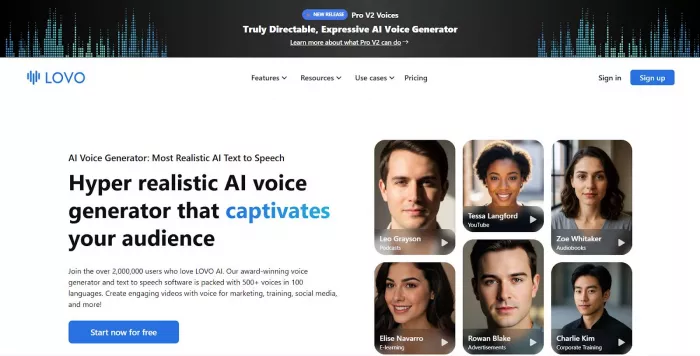
Its voices are expressive and energetic, making them suitable for short-form content and marketing.
Why creators choose LOVO
● Expressive and emotional voices
● Voice styles for ads, storytelling, and narration
● Built-in editor for timing and emphasis
● Good multilingual support
Great for
● Social media ads
● YouTube shorts and reels
● Brand videos
● Character-based content
Pros
● Creative and engaging voice styles
● Easy for beginners
● Affordable compared to premium tools
Limitations
● Long-form narration can feel repetitive
● Slightly less realistic than top-tier options
Pricing
● Free trial available
● Paid plans for creators and businesses
AI text-to-speech tools in 2026 are reshaping how we create, consume, and interact with content. From hyper-realistic narration to accessible audio experiences, AI voices are now a core part of digital workflows.
Quick tips for choosing the right tool
● For realism & storytelling: ElevenLabs
● For blogs & multilingual content: Play.ht
● For business & training: Murf AI or WellSaid Labs
● For podcasts & video editing: Descript
● For listening & accessibility: Speechify
● For ads & creative content: LOVO AI
The best tool ultimately depends on your budget, content type, and level of control you need. As AI voice technology continues to evolve, one thing is clear: digital voices are no longer artificial they’re becoming truly human.
AI-powered image editing has moved far beyond simple filters. Today’s...
AI chat platforms built around fictional characters and roleplay conve...
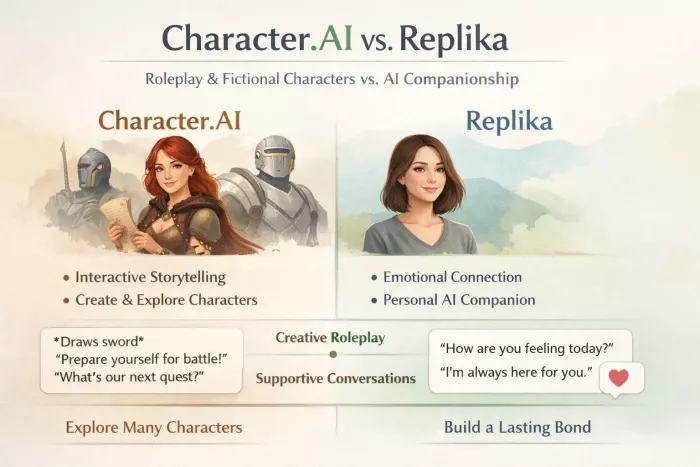
AI chat platforms have evolved far beyond simple question-and-answer b...
Platform OverviewCutout.pro is an AI-powered image editing platform de...
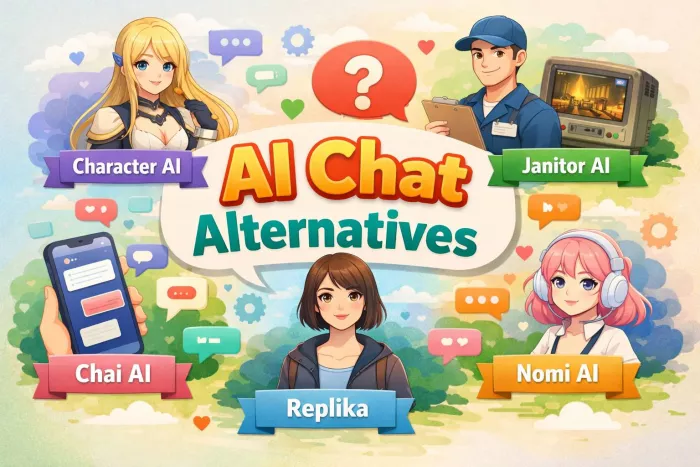
AI chat platforms designed for roleplay and interactive conversations...
Goth AI is a character-based AI chat platform designed for dark, gothi...

Discussion